RESEARCH-DRIVEN EDUCATION
  • Enrichment Programs
  • Summer Camps/Tutoring
  • Resources
    • Math Standards
    • ELA Standards
  • Blog
  • Product

Patterning

3/20/2014

0 Comments

 
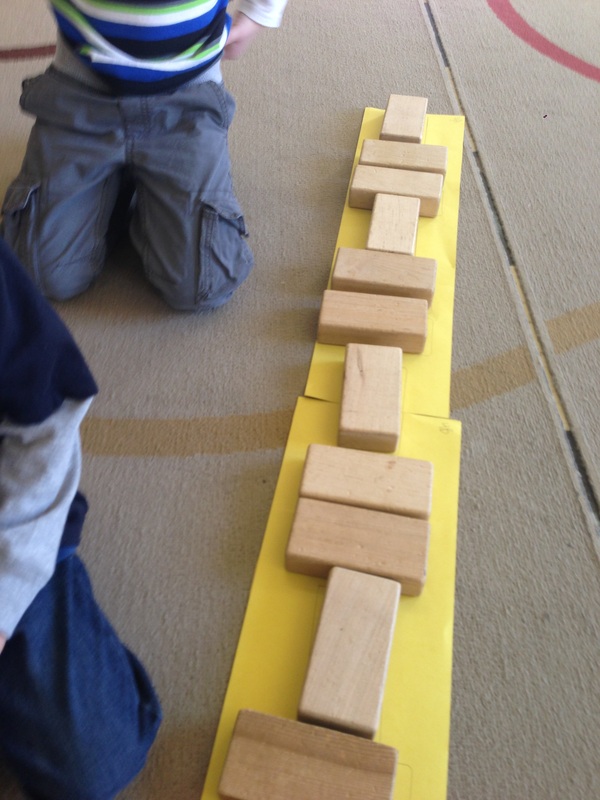
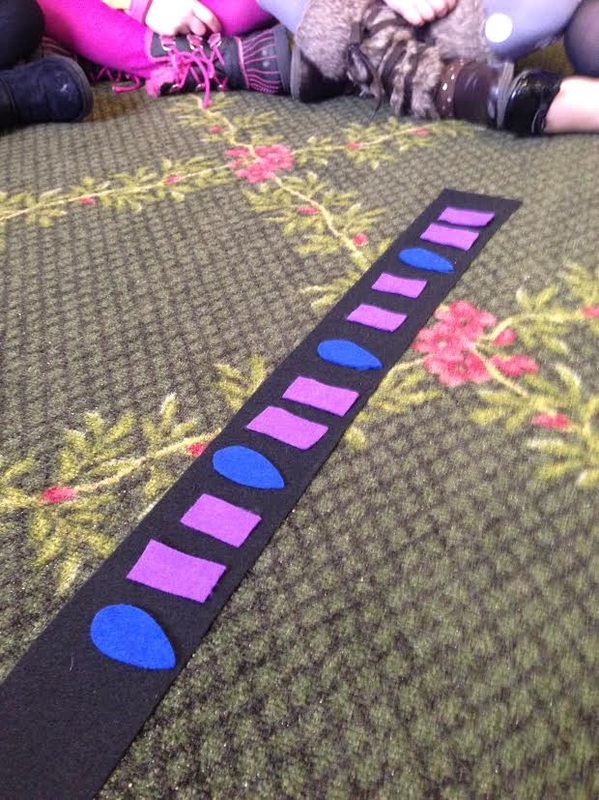
Children need to be given many opportunities to practice making different types of patterns.
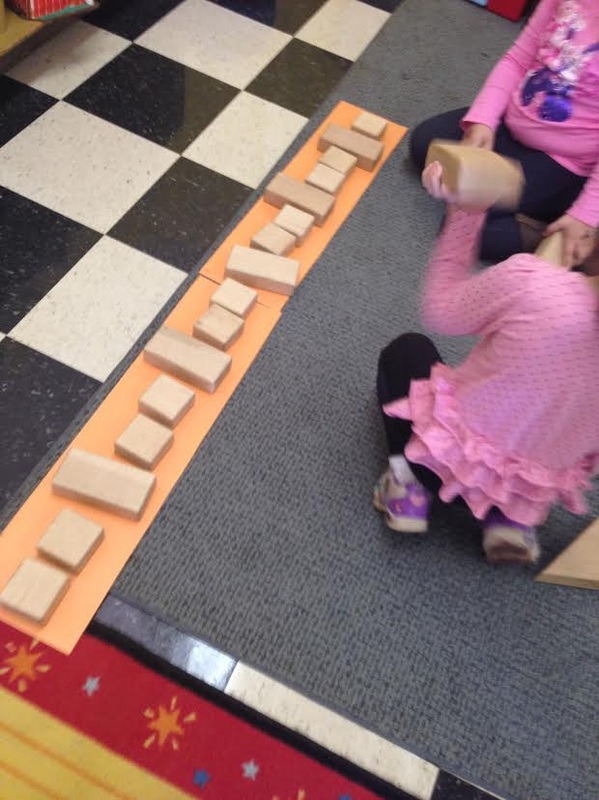
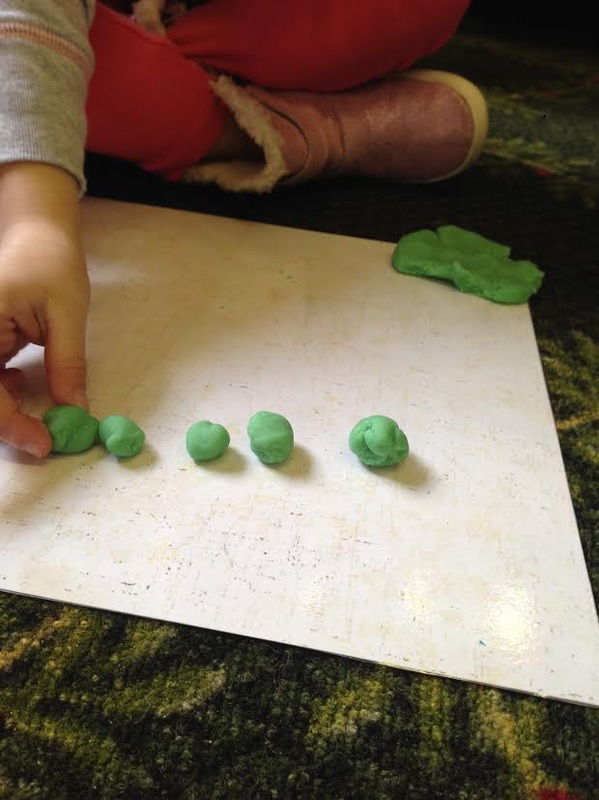
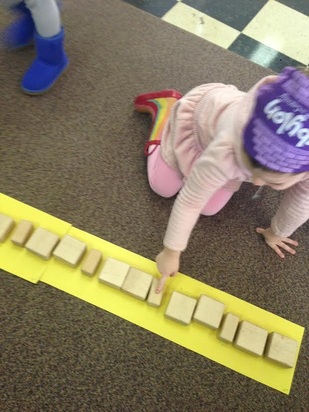
Before children are able to make patterns, they need to be able to sort objects by one attribute (color shape or size). The first stage of patterning is pattern copying. The child will simply copy a pattern that has been chosen for her. 
Picture
When a child has completed her pattern, I have her "read" it back to me to give her extra practice beginning on the left and ending on the right. This is an important habit for children to form.
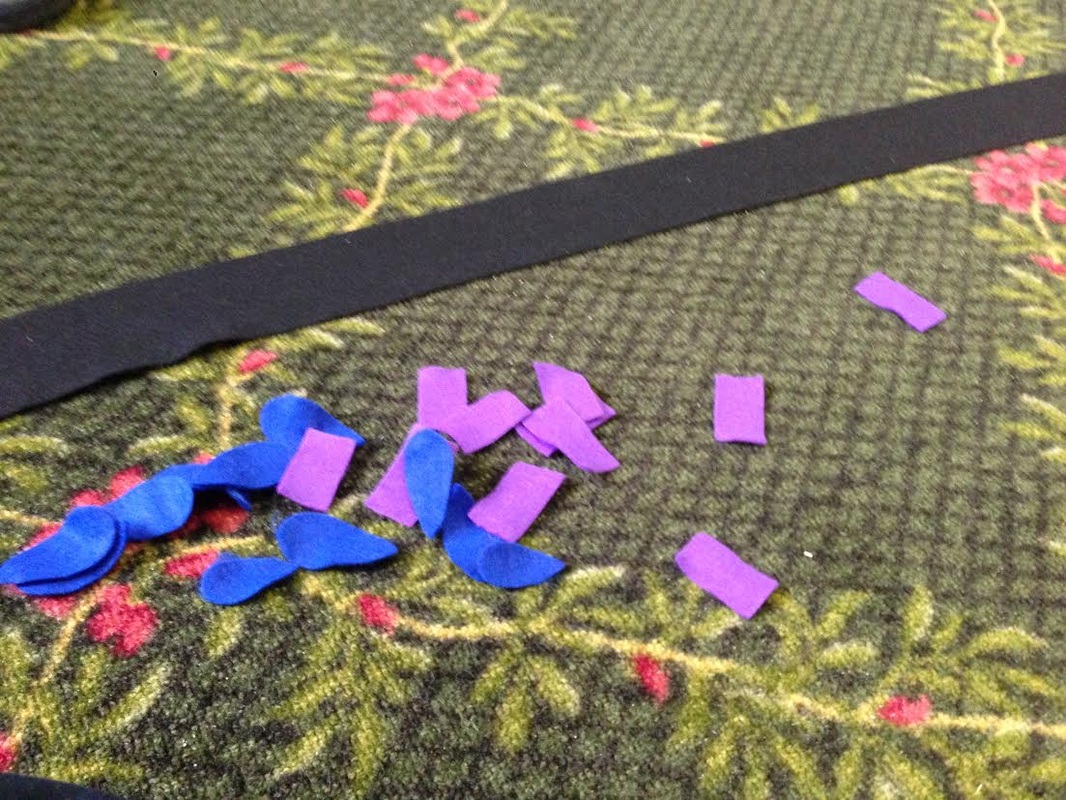
The second stage of patterning is adding on to an already created pattern. A pattern must have at least two or three pattern cycles completed for a student new to patterning to be able to see and add on to the pattern. This is where worksheets often fail. 
Example: 
A worksheet has  RED  YELLOW   RED...   What comes next?
Honestly, I'm not sure.
Is the pattern "RED YELLOW      RED YELLOW        RED YELLOW"?
Or is it  "RED/YELLOW/RED   RED/YELLOW/RED"?
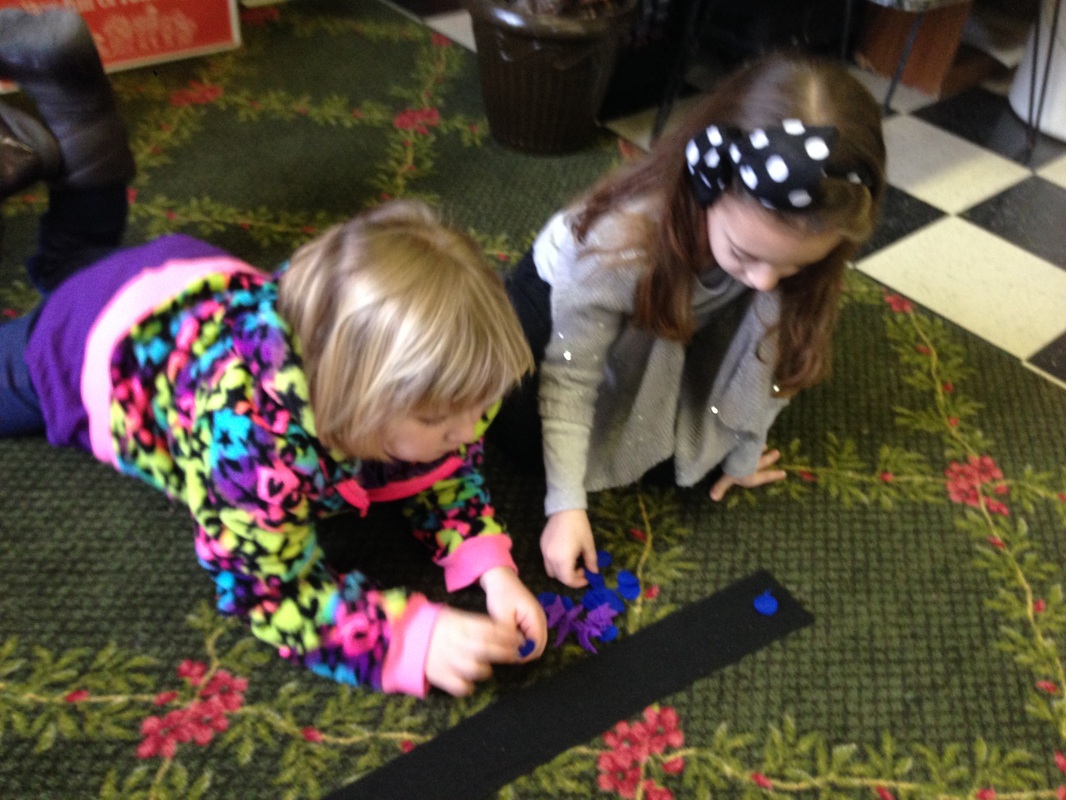
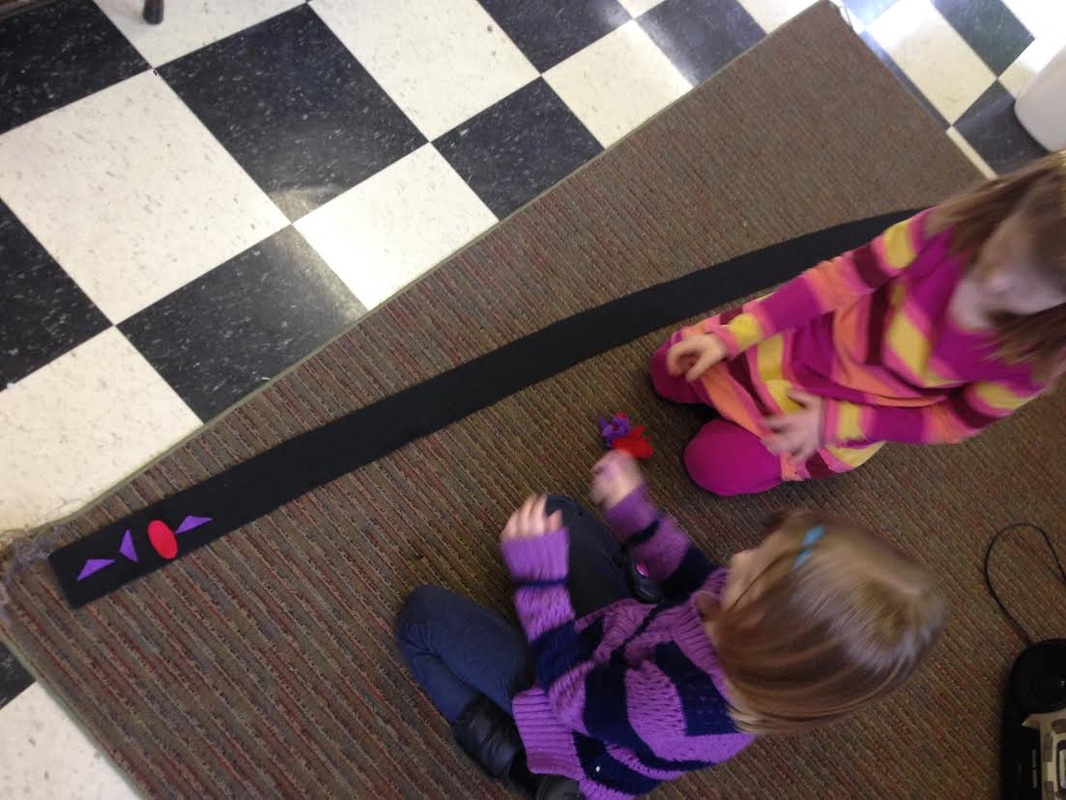
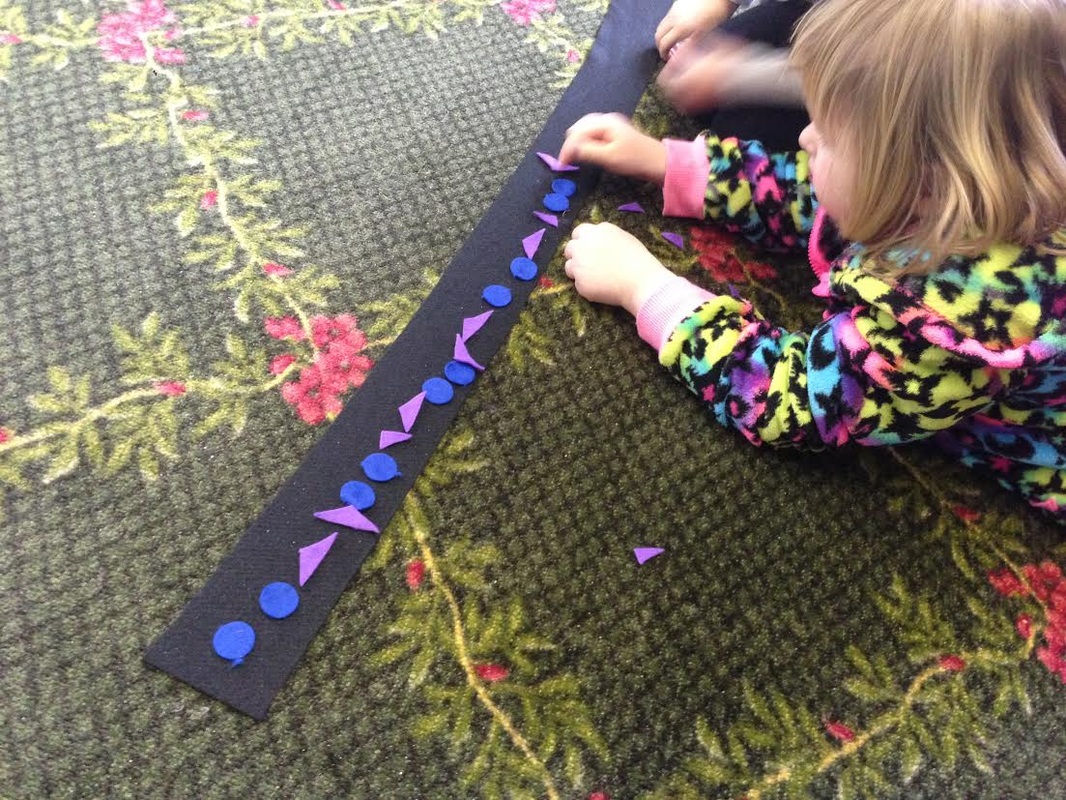
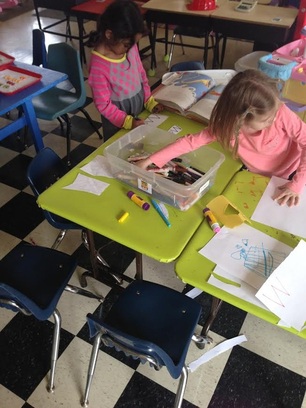
The third stage of patterning is creating a new pattern. These children are working in pairs to create their own patterns.
Children learn valuable social skills by working together. 
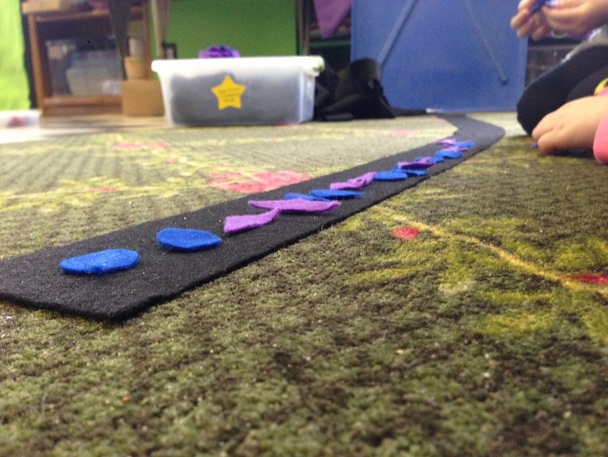
Picture
When a child has to help explain something, like patterning, to another child, it helps cement knowledge and understanding for both children.
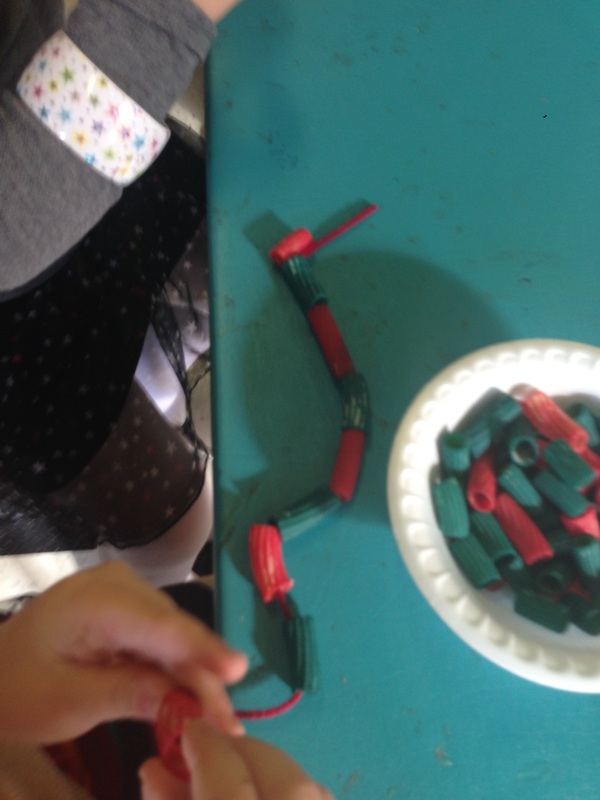
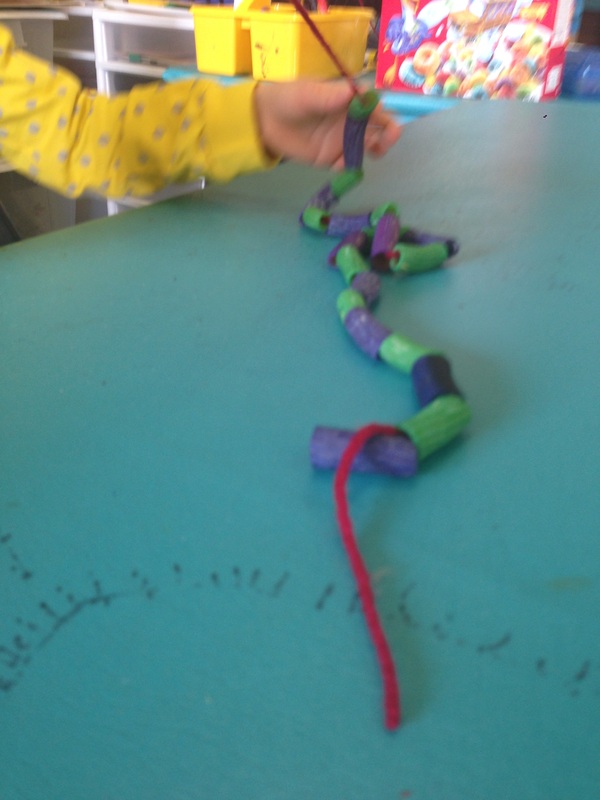
It's great for the children to be able to work on their fine motor skills and patterning by making these necklaces with dyed pasta.
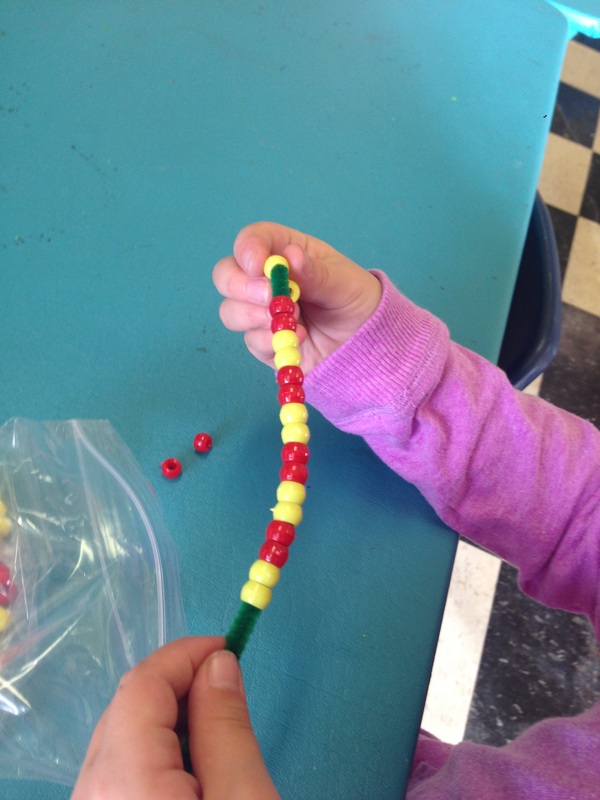
Stringing pony beads onto pipe cleaners is an easy way to make pattern bracelets. The best part is - the beads don't fall off!!
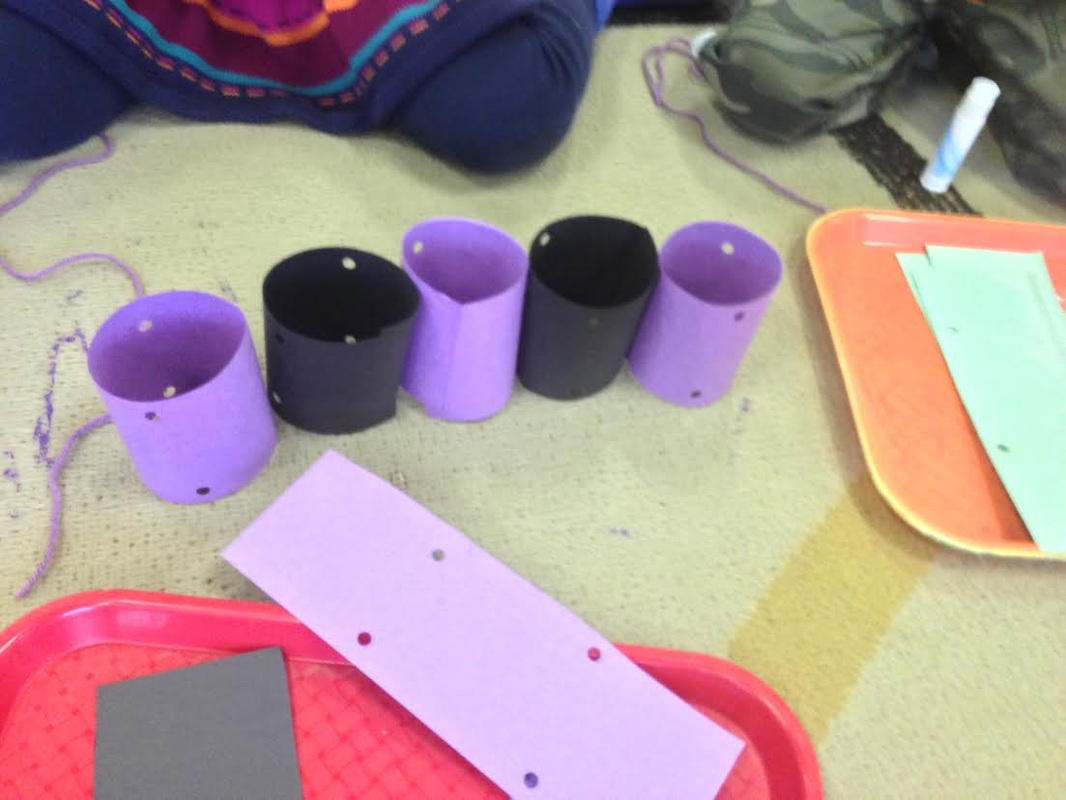
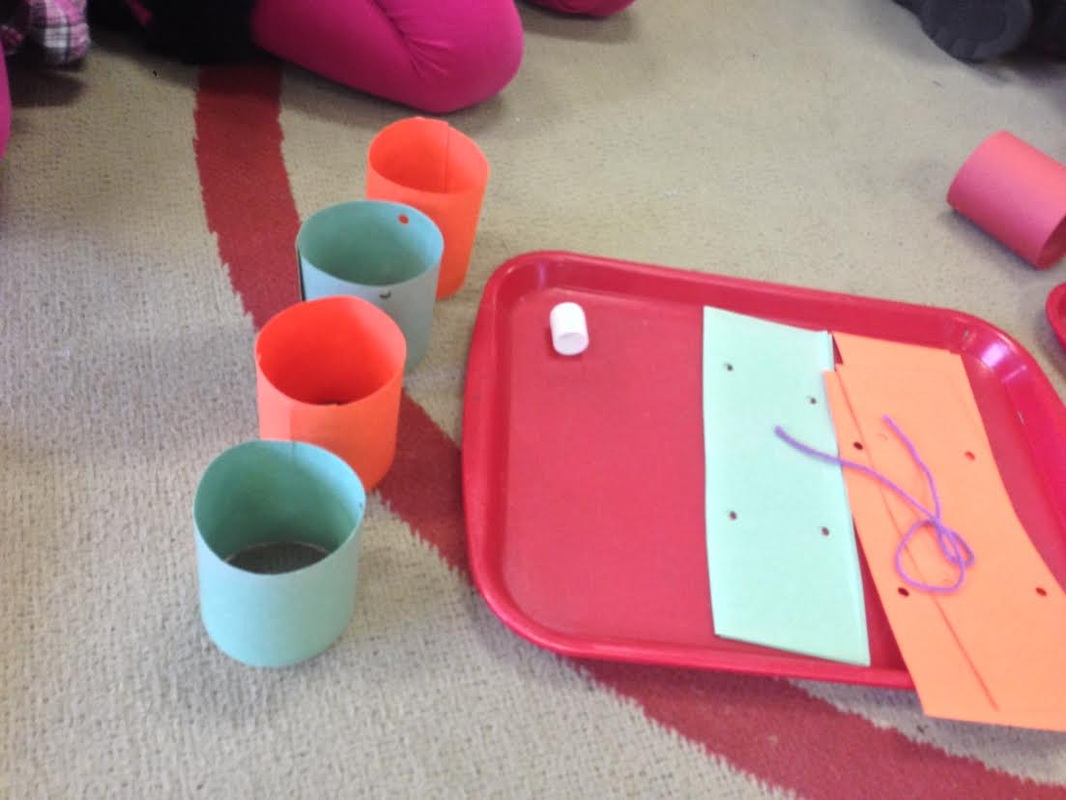
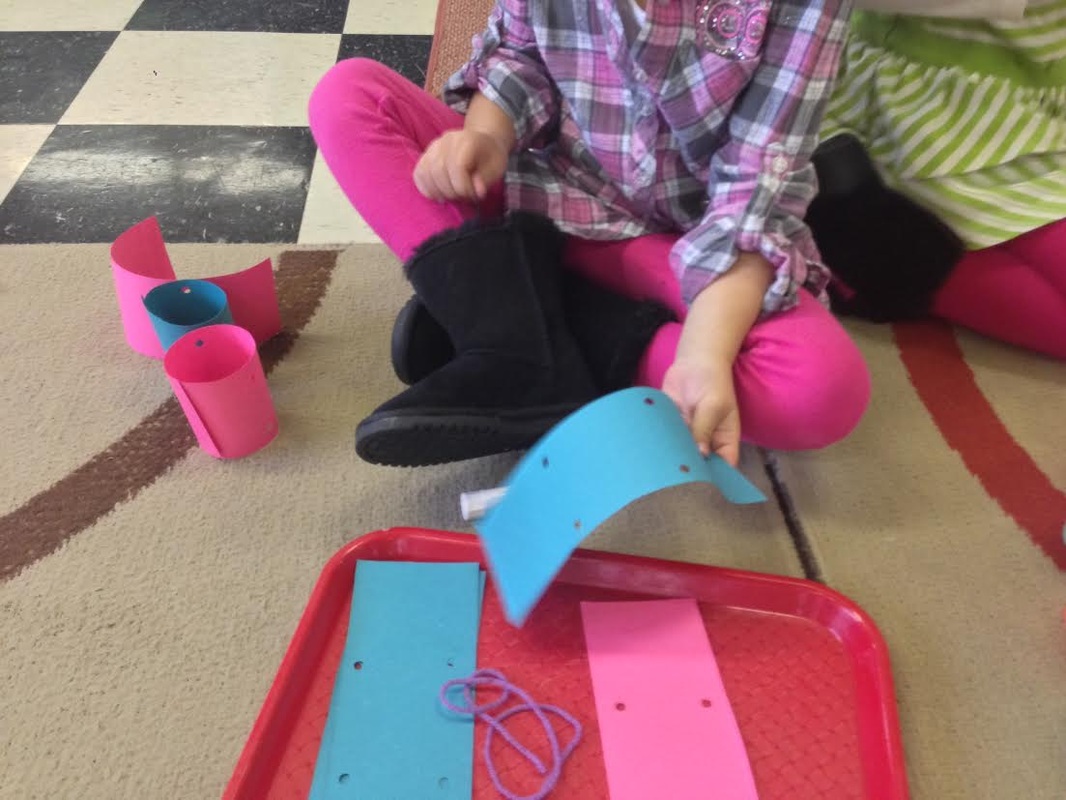
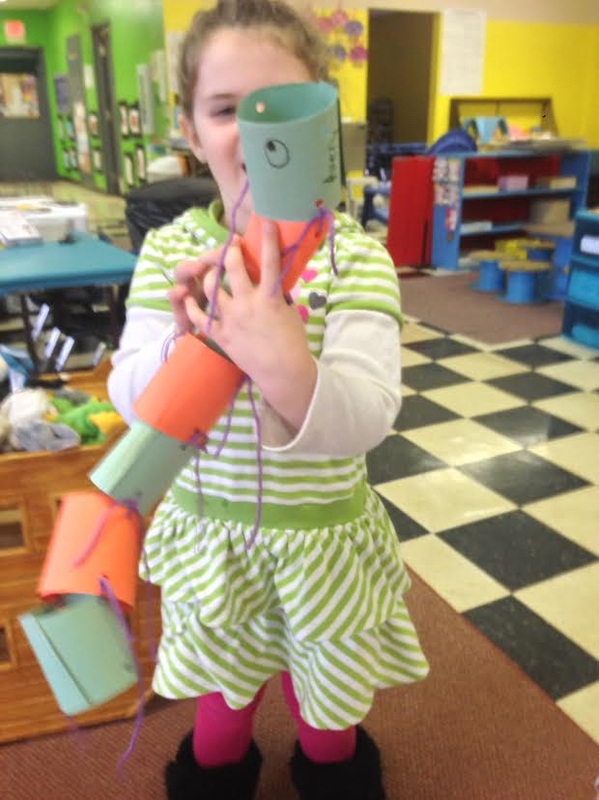
These pattern snakes were REALLY hard to make, but worth it! First we glued our strips of paper together.
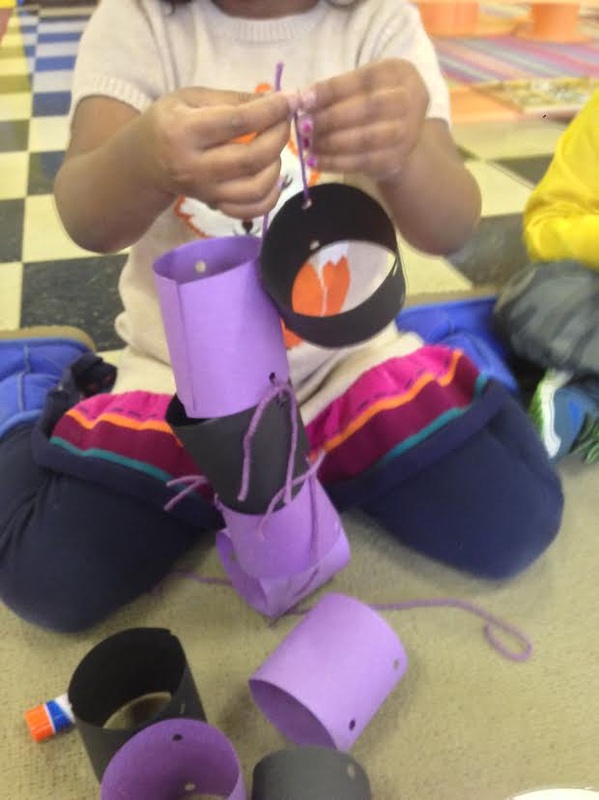
Next I taught them how to tie a knot to connect the body segments. 
Picture
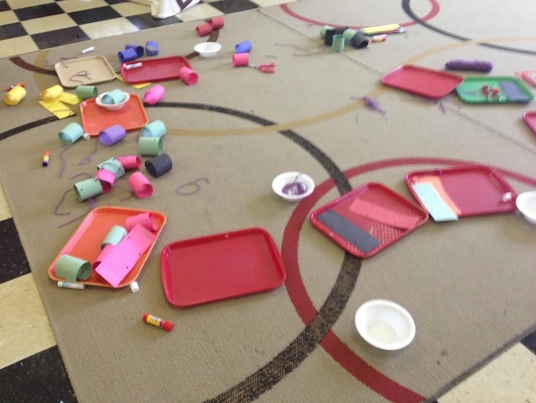
We made a huge mess, but we usually do when we try something new.
0 Comments

Counting

3/18/2014

0 Comments

 
Counting in preschool is interesting because it is actually more than just one skill.  
Rote counting: This is just counting (memorization), not necessarily counting objects.
One-to-one correspondence: This is the ability to pair one object with each number when counting. A child may have one-to-one-correspondence to seven, but not ten.
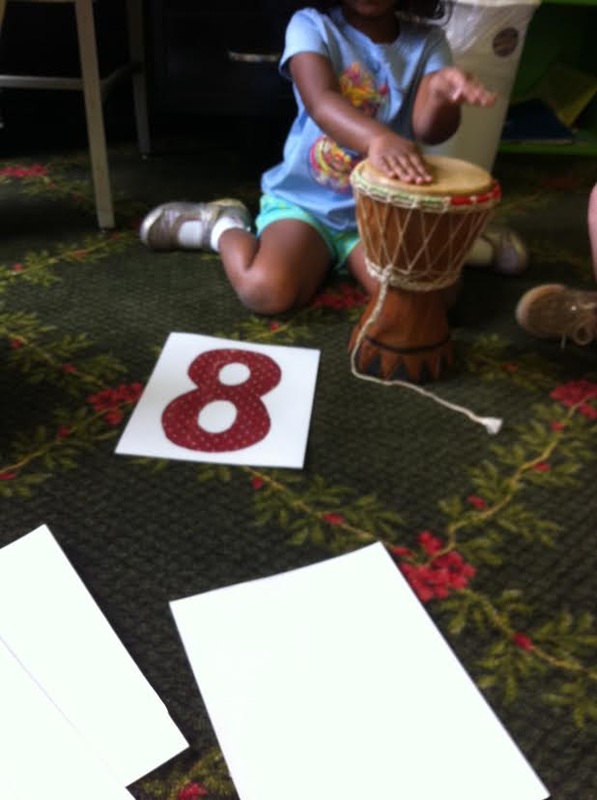
Numeral recognition: This is a visual skill.
When we teach new skills in preschool, we make a conscious effort to include methods that will benefit all our auditory, visual AND kinesthetic learners. 
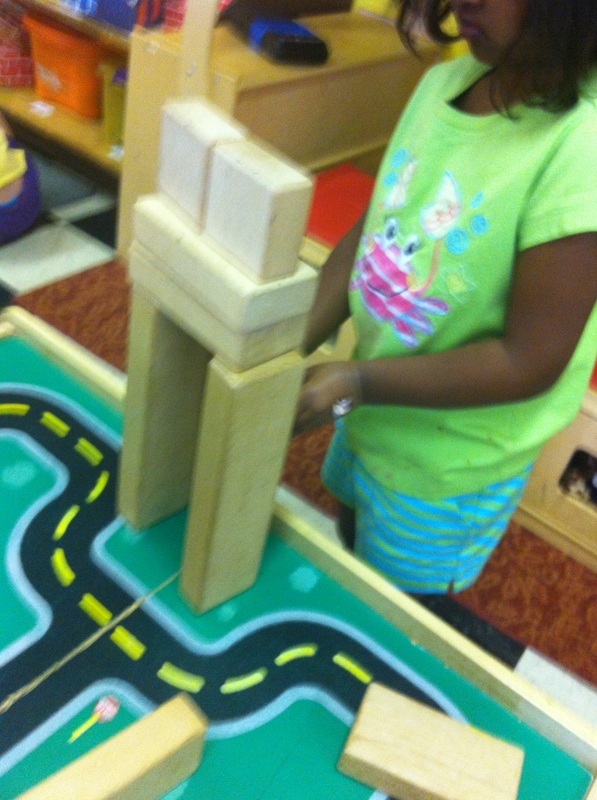
For this activity, I took my group to the block area and showed them pictures of some very different types of structures (Big Ben, The Eiffel Tower, The Golden Gate Bridge, and The Pyramids of Giza). We discussed some of the differences, and then we talked about what architects do. 
"Architects get to design their own type of building. They plan and oversee the construction of their building. Today YOU get to be an architect and design any type of structure you want!"
The children were able to choose how many of each size block they wanted to use. When they were done building their structure, they graphed how many of each block they used. 
Now you can use it in your class, too! (It's available for FREE in our teacherspayteachers store - just click on the button below and you will be re-directed to our store.)
Teacherspayteachers
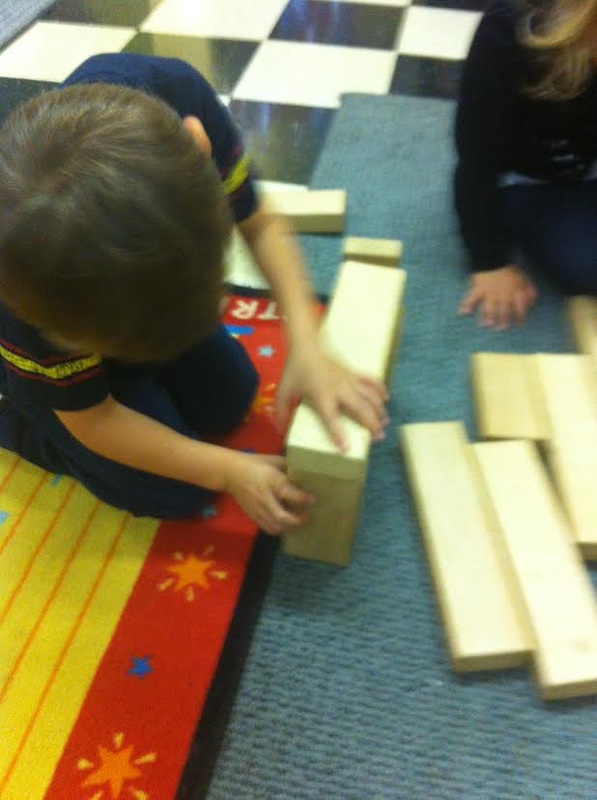
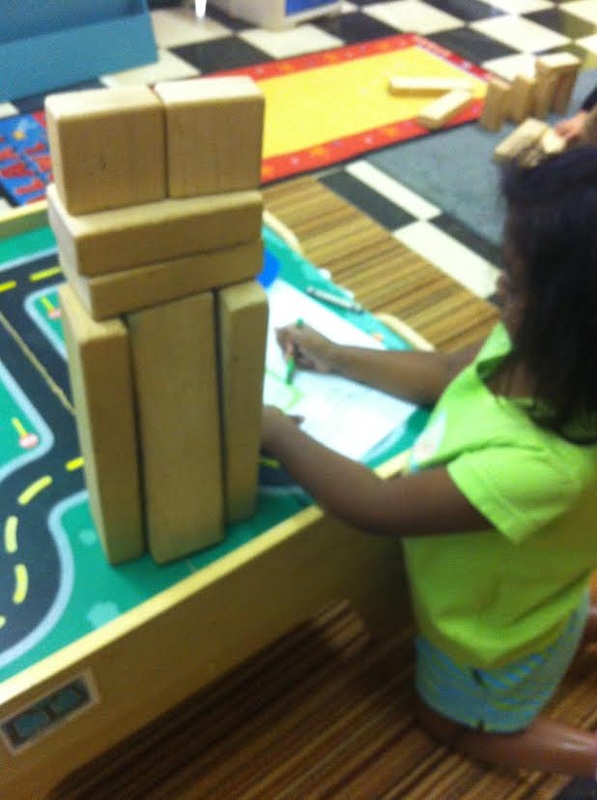
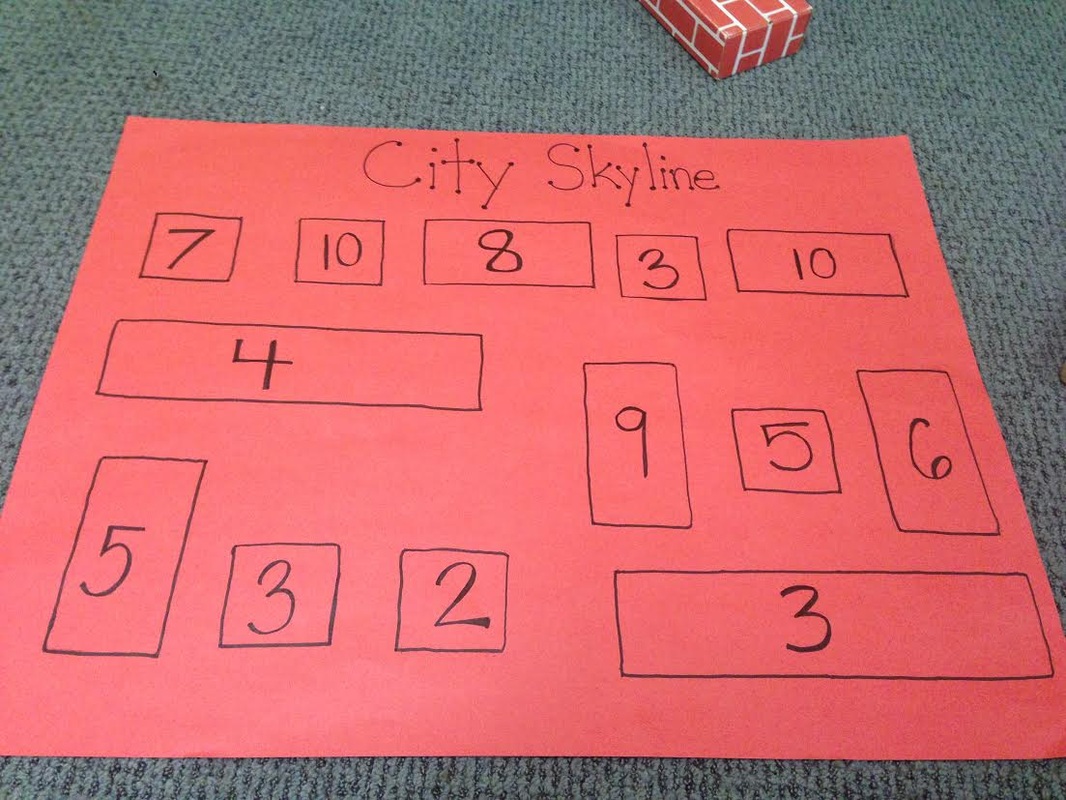
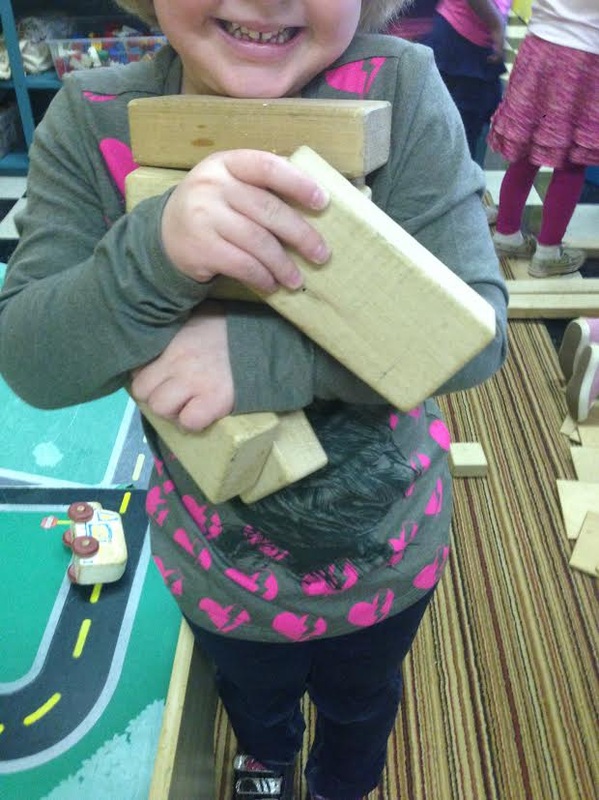
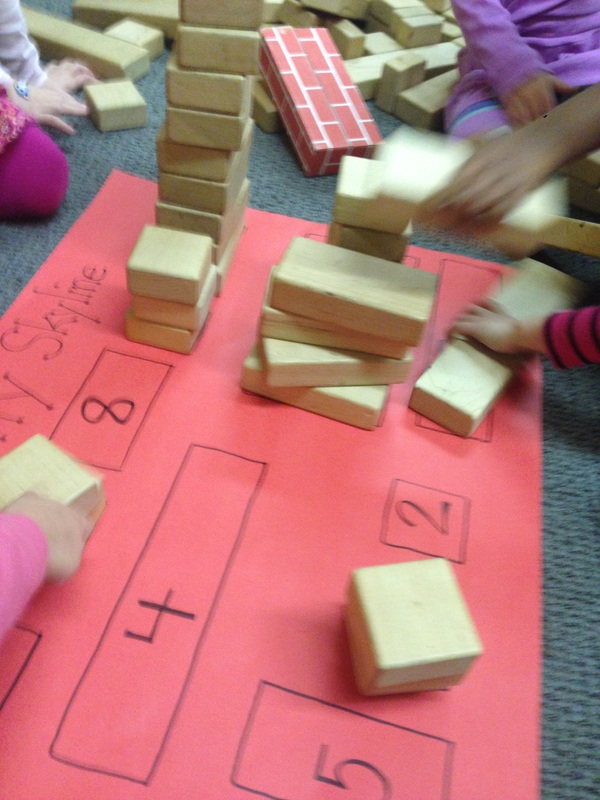
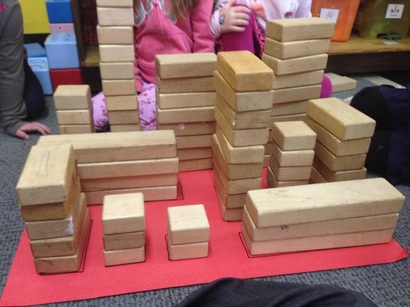
We also practiced counting in the block area by building a city skyline.
Picture
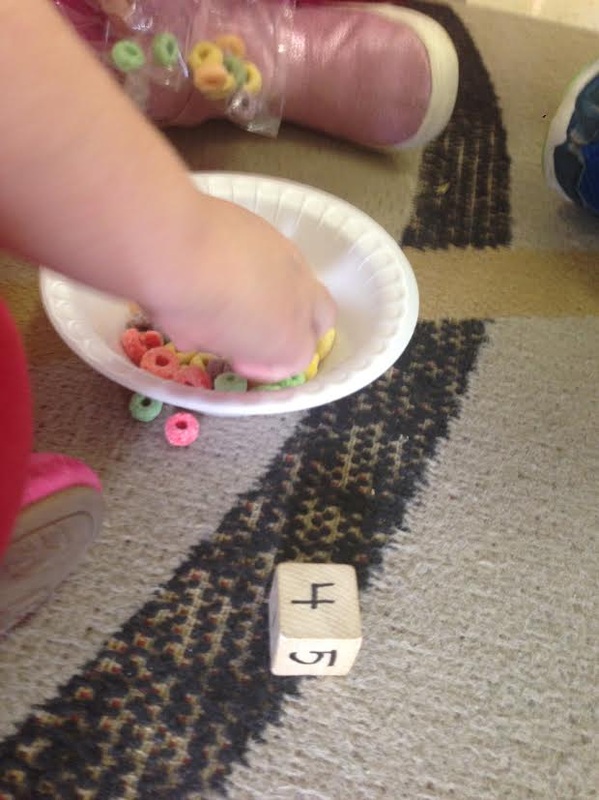
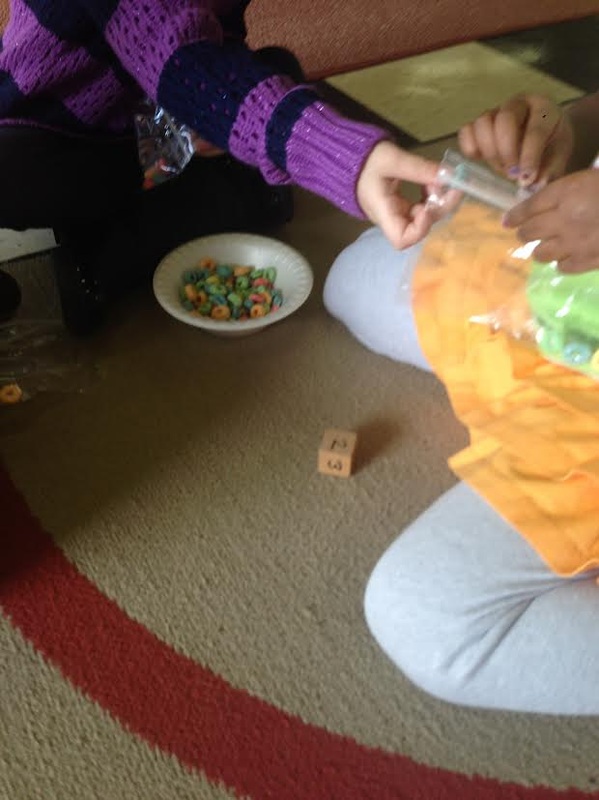
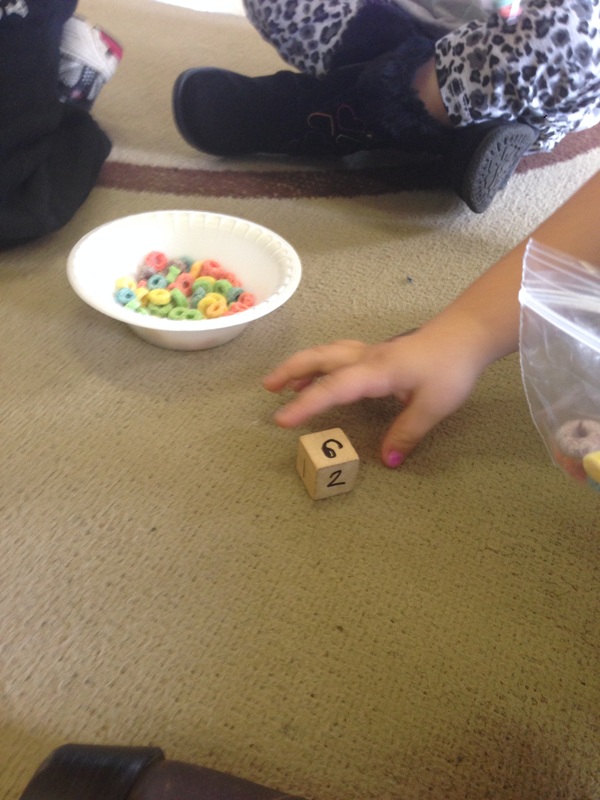
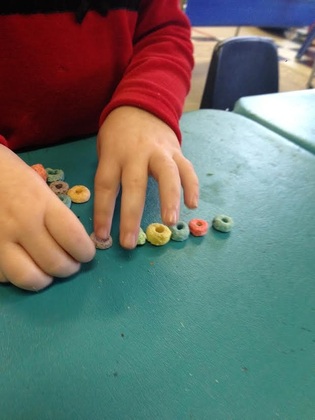
If we don't find many DIFFERENT ways to practice counting, it gets really boring. Here the children are rolling a die and counting out fruit loops. Fun snacks make anything more exciting!
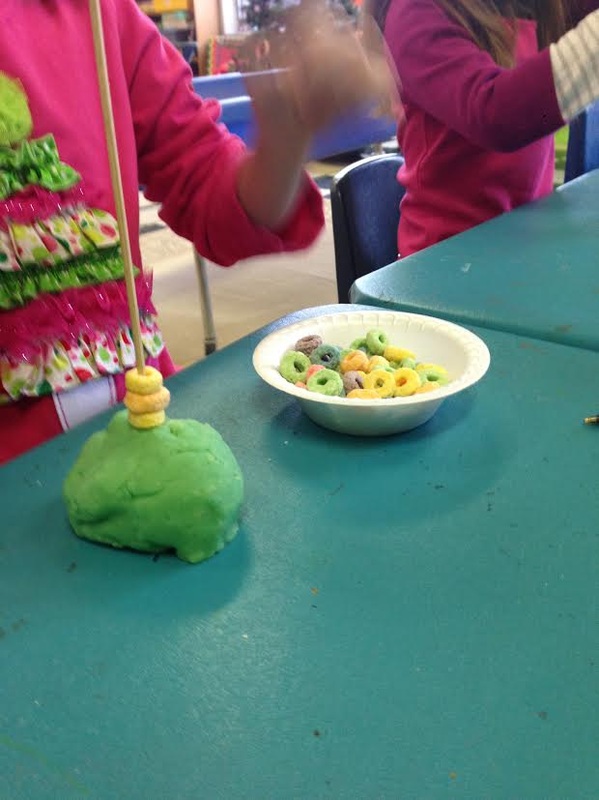
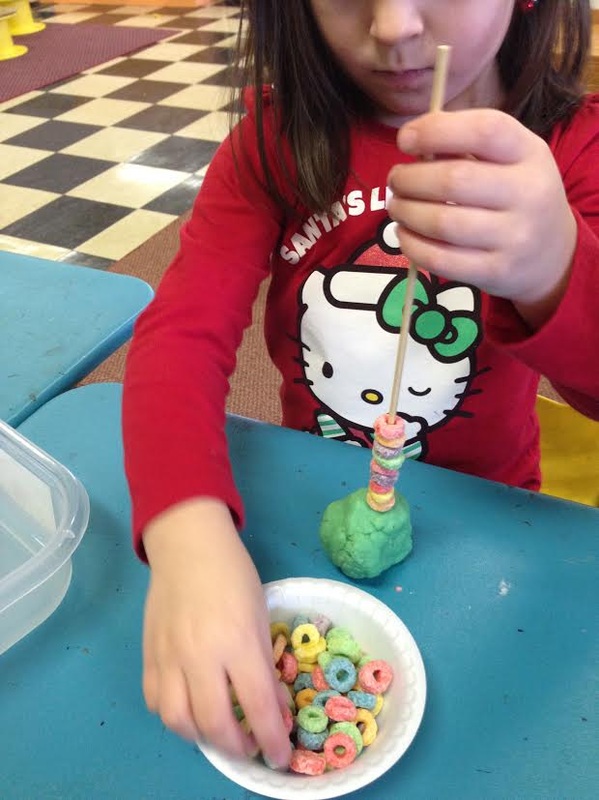
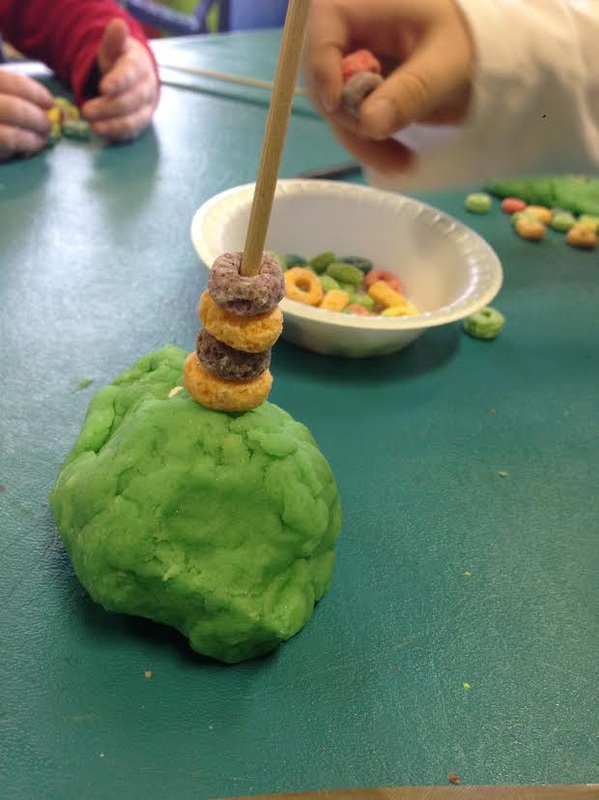
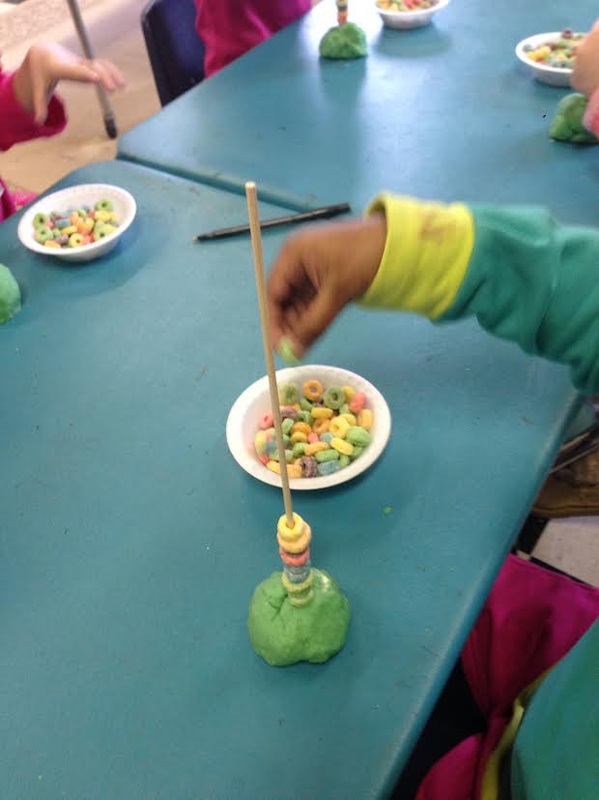
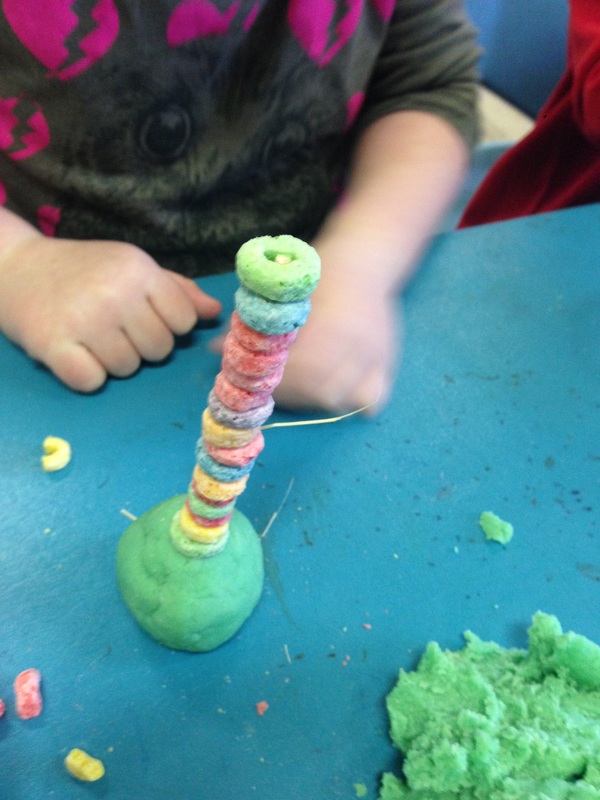
This is a Minute-to-Win-it Fruit Loop Race. The children were given one minute to stack as many Fruit Loops as they could on the kebab stick. 
This was a GREAT way to practice counting (and fine motor!) because they wanted to do it again and again.
Picture
When the minute was up, we counted and compared how many Fruit Loops we were able to stack. 
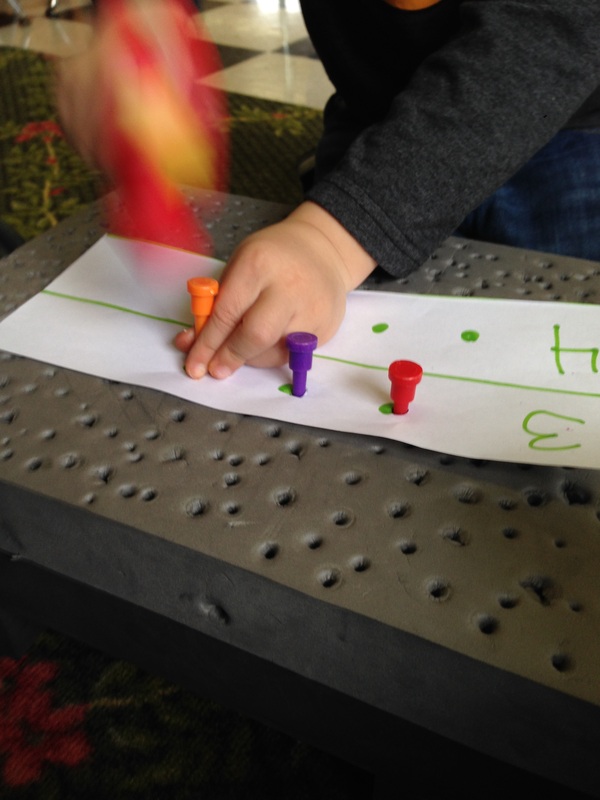
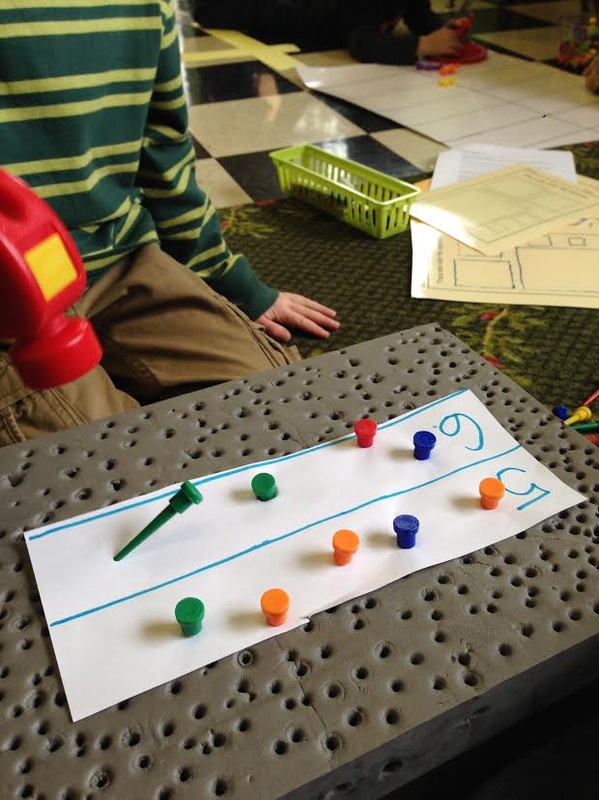
We have this fancy foam pad to hammer these plastic nails into, but Styrofoam and golf tees work just as well. 
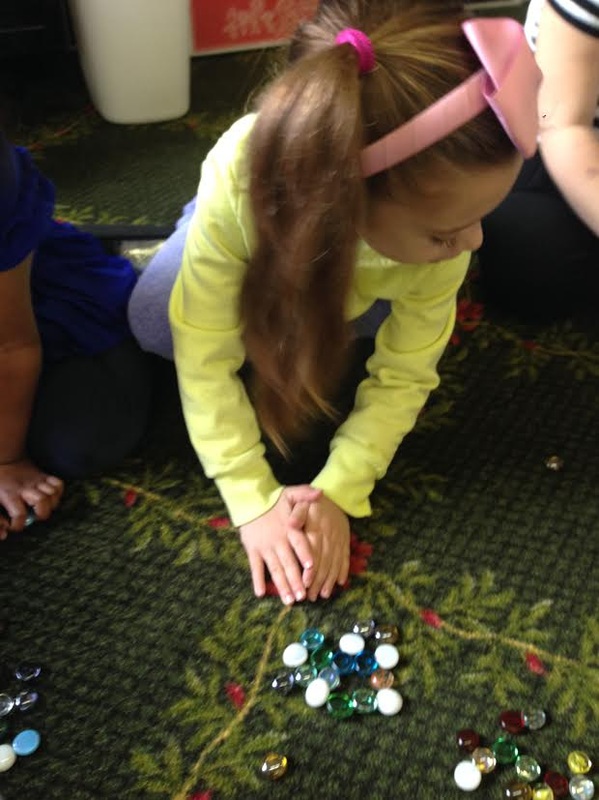
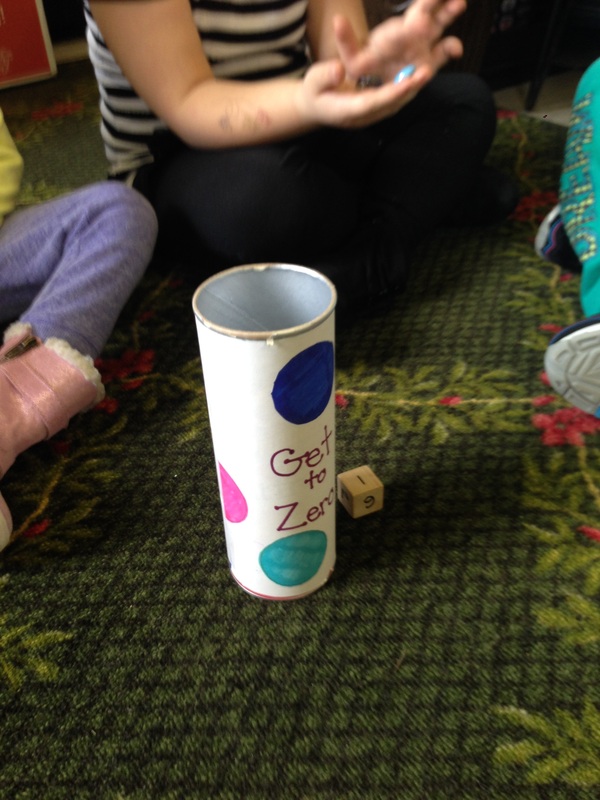
In the game "Get to Zero", everyone begins with the same number of gems. The players take turns rolling a die and then put that many gems into the container. With older children, on their last turn, they must roll the EXACT number to "Get to Zero" and win. I use a die with numerals on it so they can practice numeral recognition as well as counting. 
You'd think these children would be sick of numbers and counting by now - that's why we try to make it different every day!
Picture
0 Comments

Skip Counting: Tens

3/15/2014

2 Comments

 
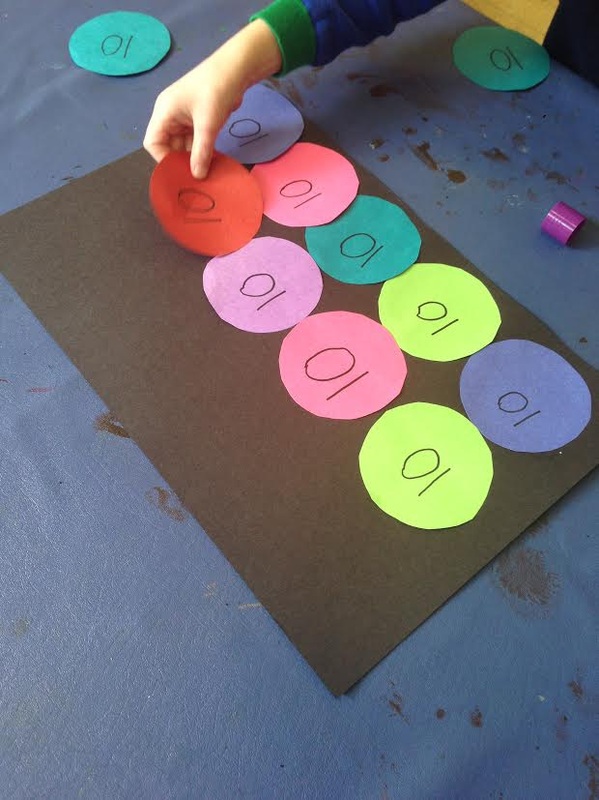
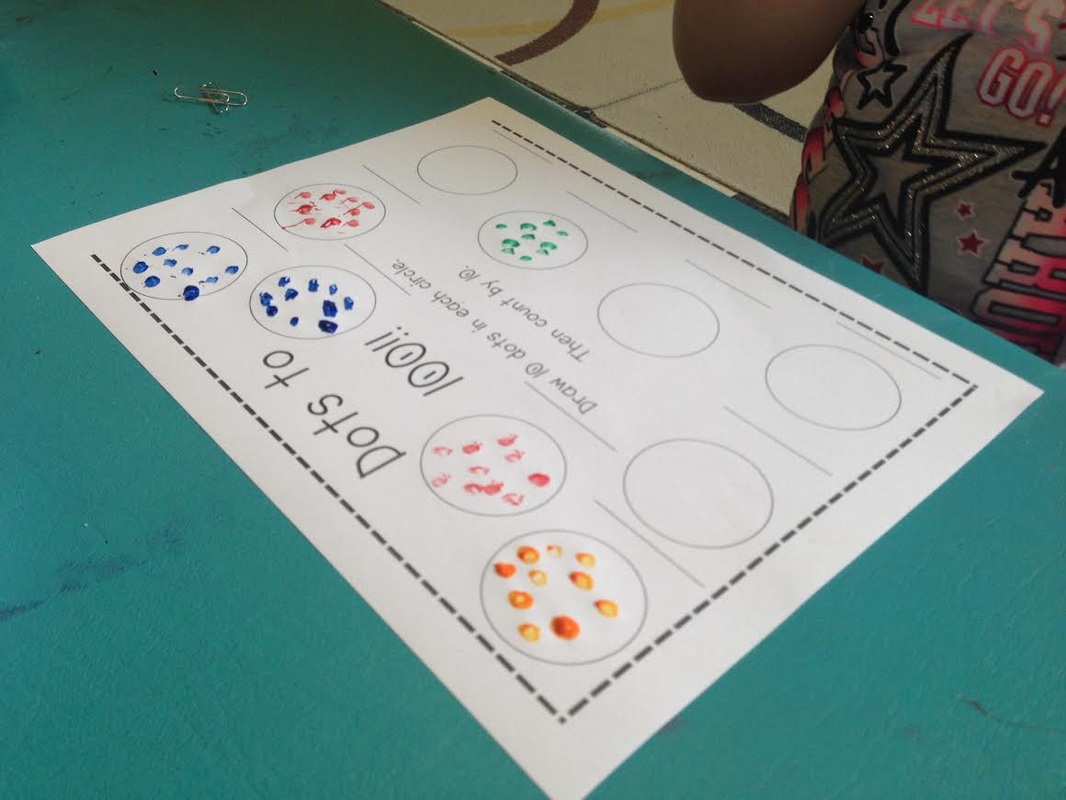
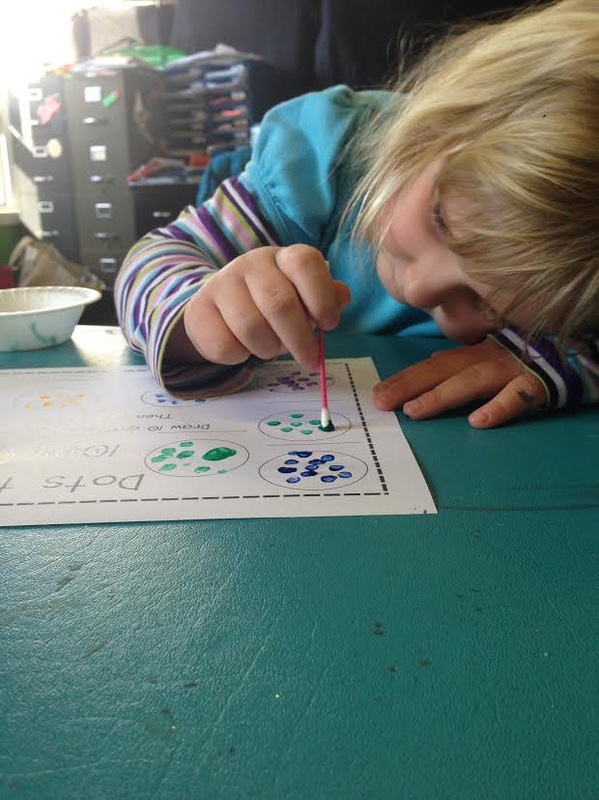
One of the ways that we teach children to count by tens is through song. Any child can be taught to do this; it is simply memorization. There is not necessarily any mathematical understanding involved. 
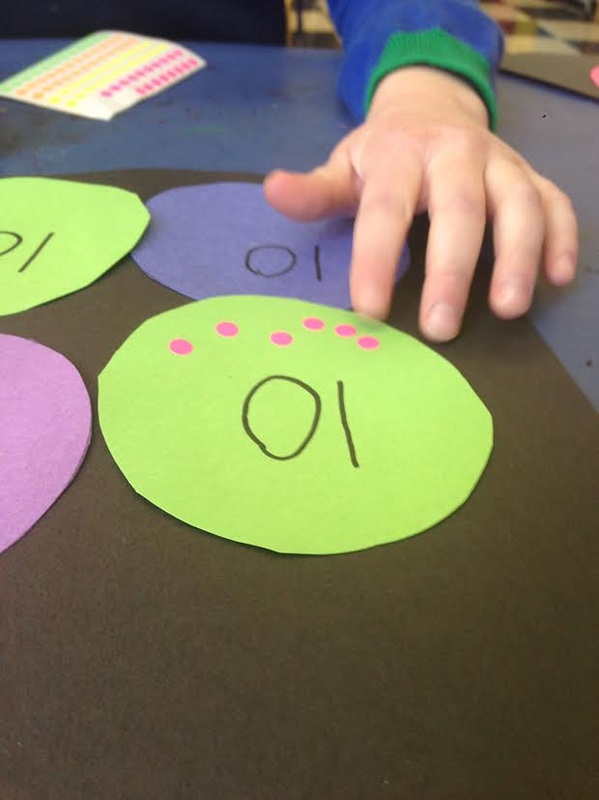
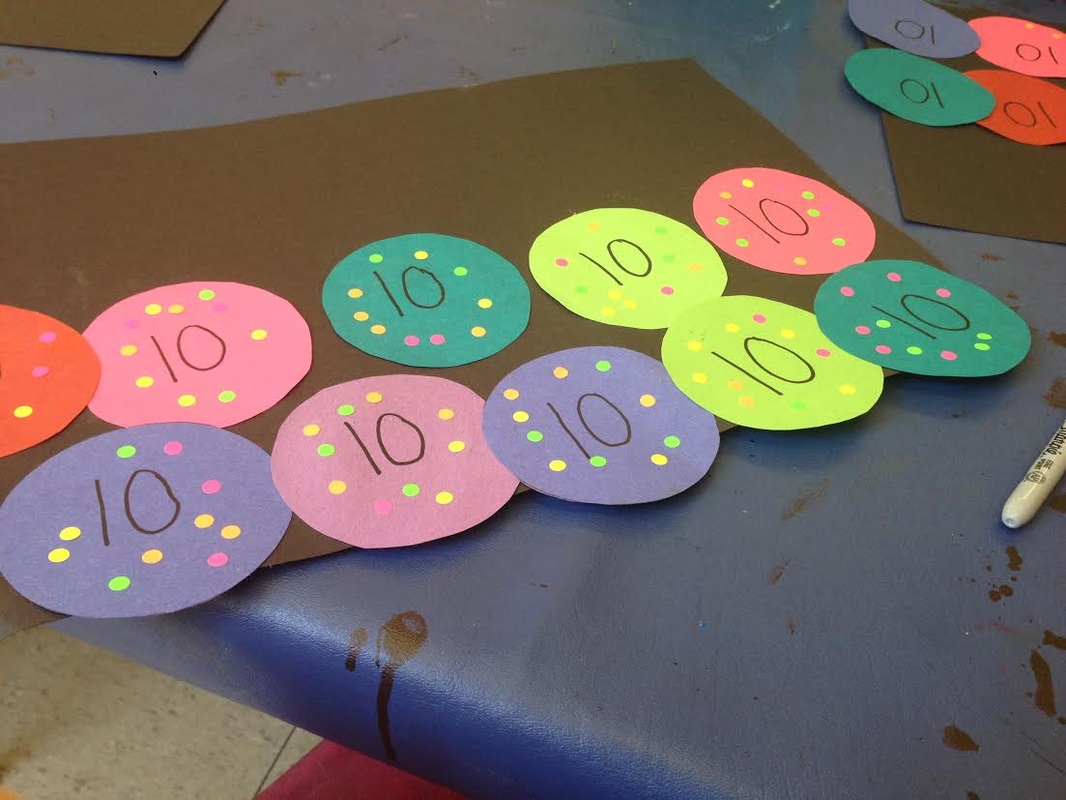
This is why it's important for us to spend time working with groups of ten to give children the understanding of WHEN we CAN count by tens. 

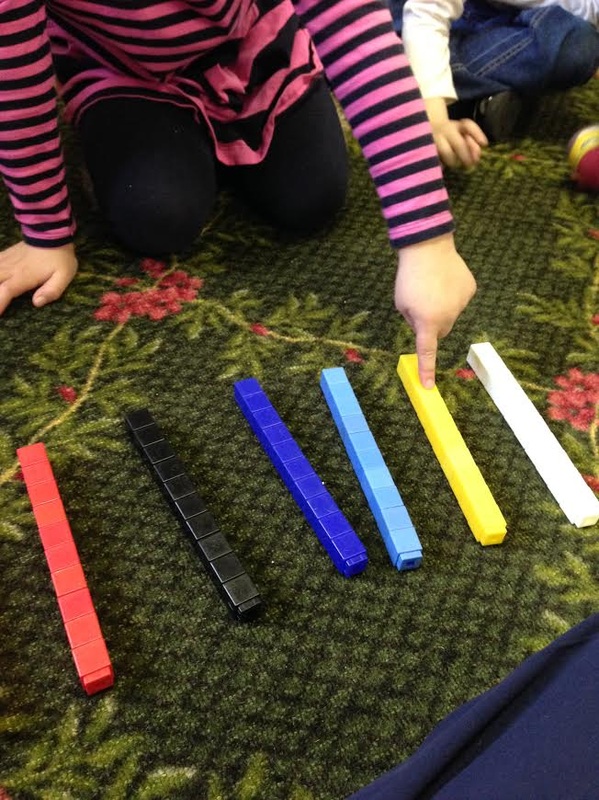
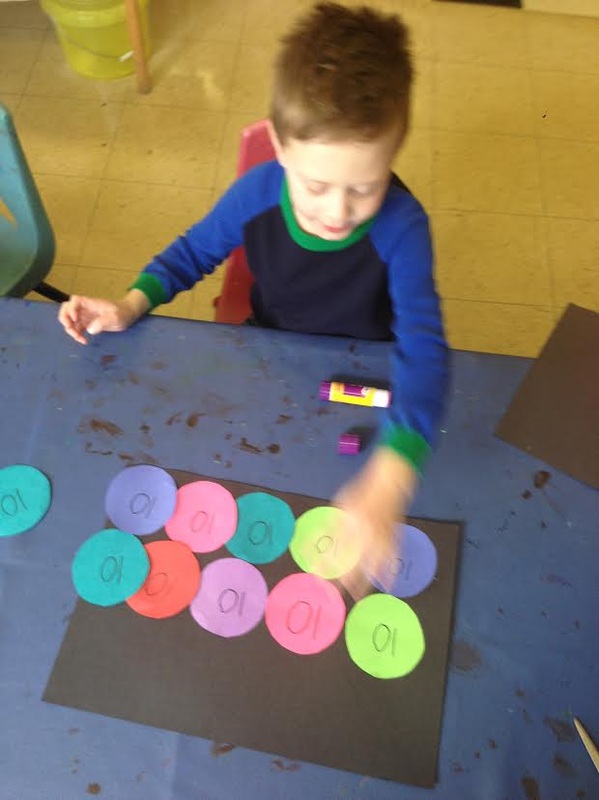
Each child in my small group made a group of ten unifix cubes. When they were done, I asked how many cubes were in each stick. "Ten!" They shouted. 
"How do you KNOW?" I asked.

(Pause)
"Because we counted them...?" One girl responded. 

"Yes! Now that we know there are ten cubes in every group, we can count by tens!"
Each child got a turn to be the "teacher" and point while we counted. It's interesting - the first time we do this every year, the children's one-to-one correspondence goes down the drain. They haven't yet associated each separate number (ten, twenty, thirty) with a separate group of ten. They regain this quickly. It's quite fascinating to watch.
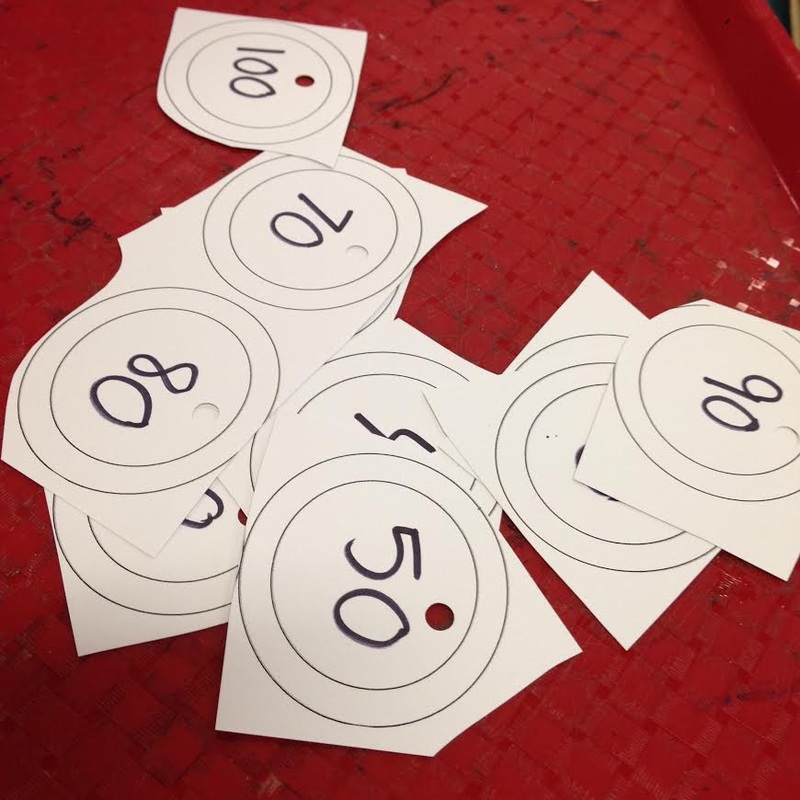
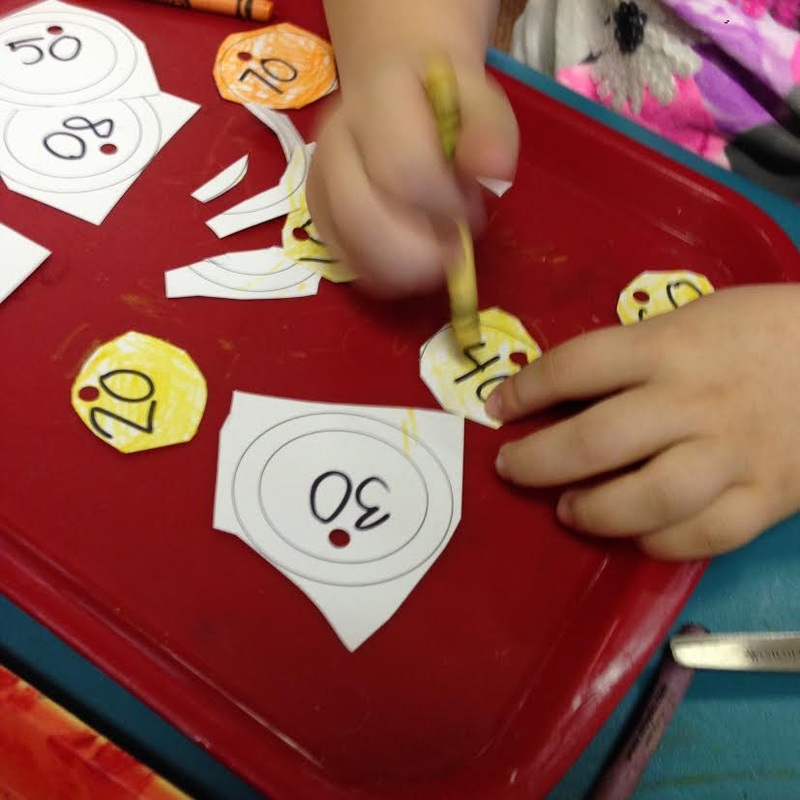
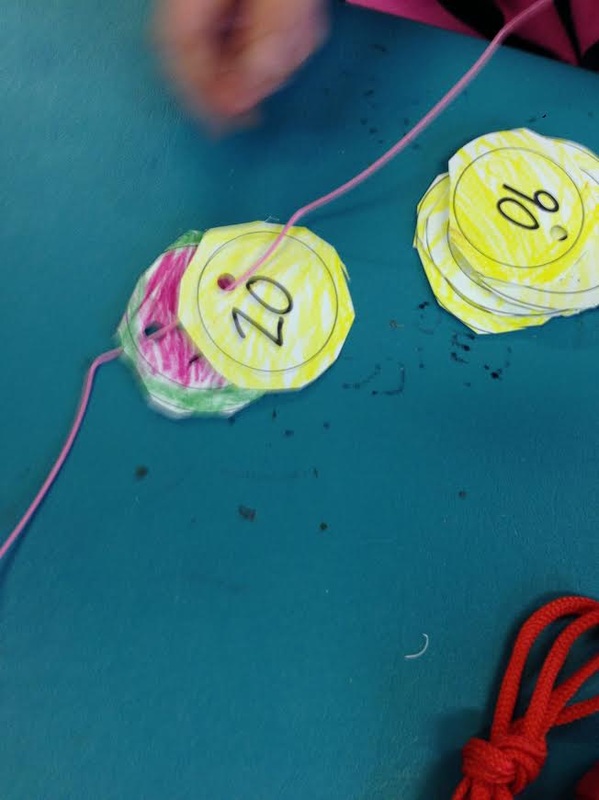
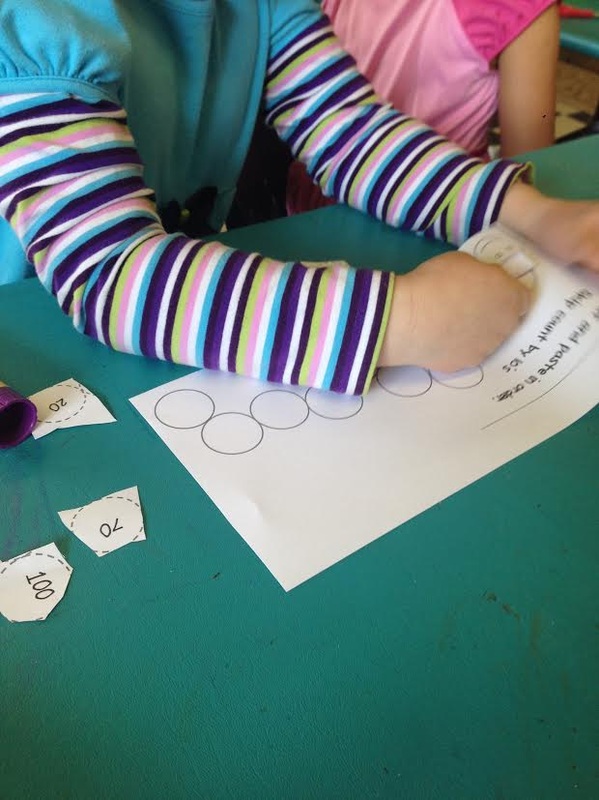
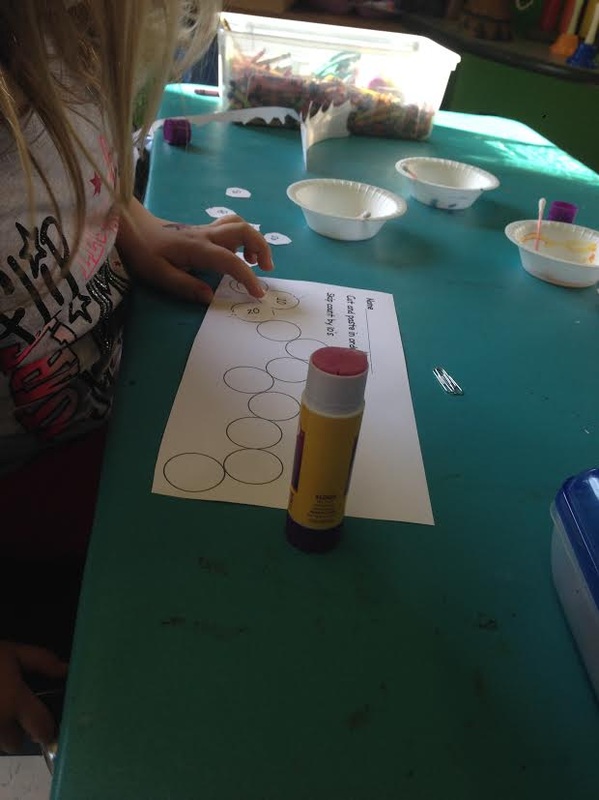
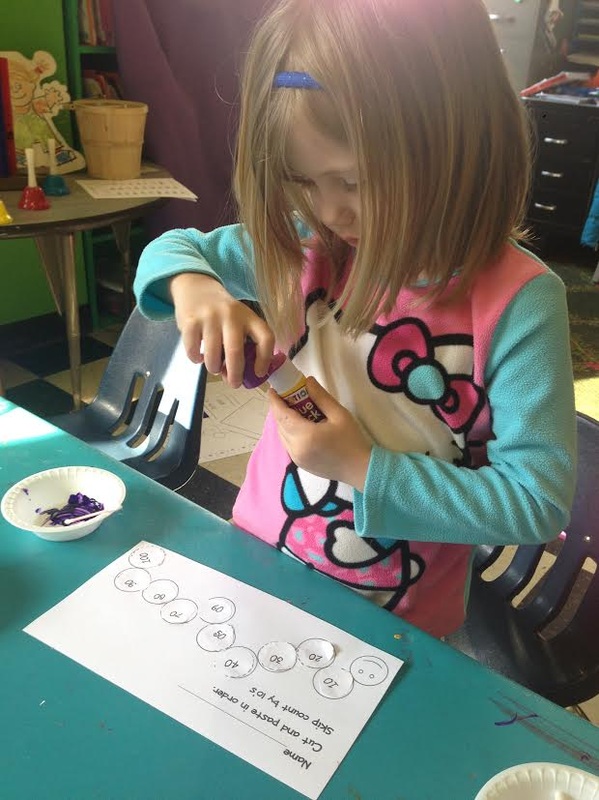
We made necklaces to get some practice recognizing the numbers and putting them in order. 
Again, we practiced making groups of ten.
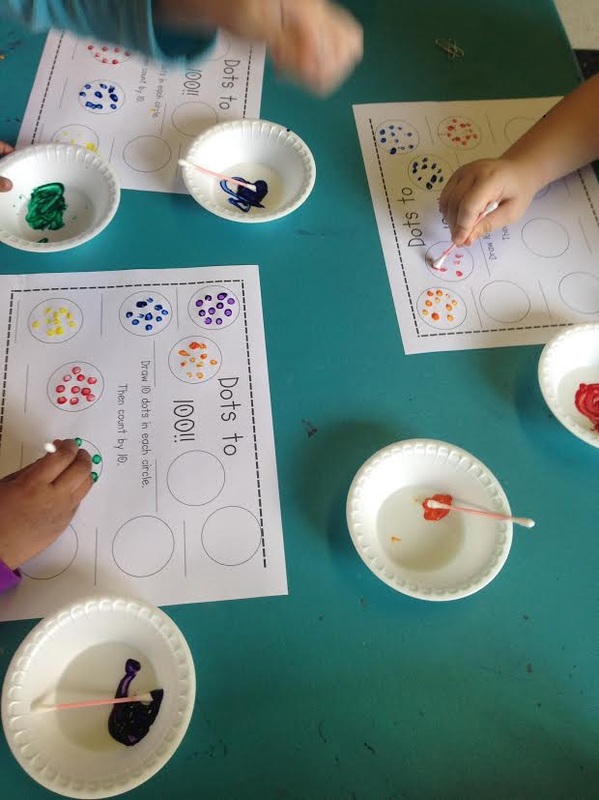
The next day we found another fun way to practice making groups of ten. 
We practiced putting our numbers in order again, too. The more we practice, the easier it gets!
2 Comments

Doctor Seuss's Birthday: Day Two!

3/5/2014

1 Comment

 
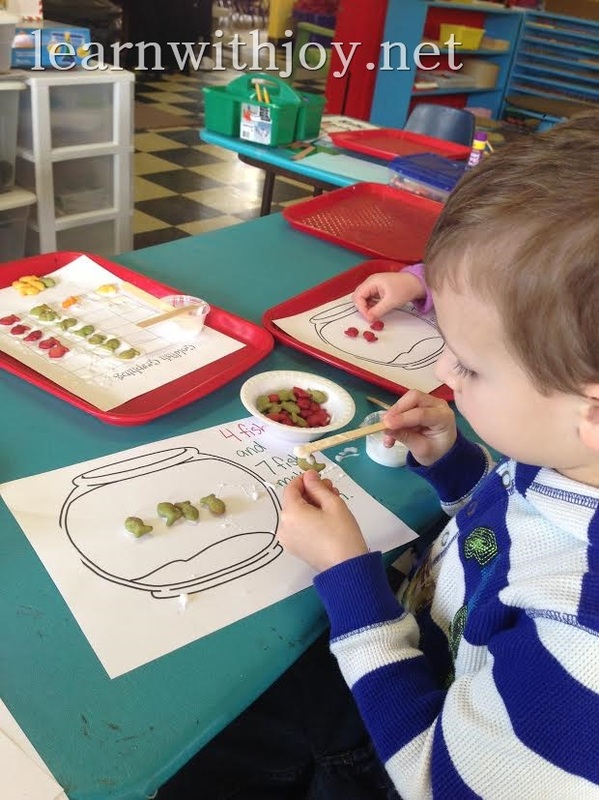
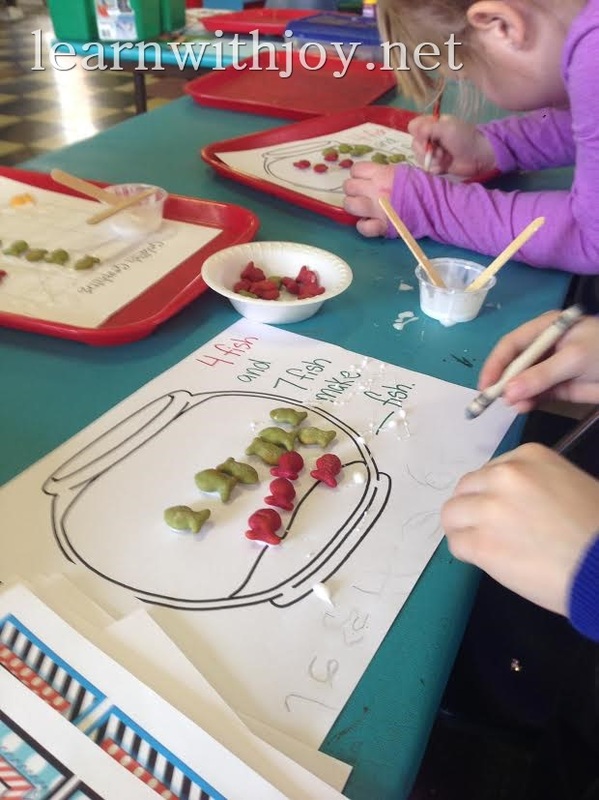
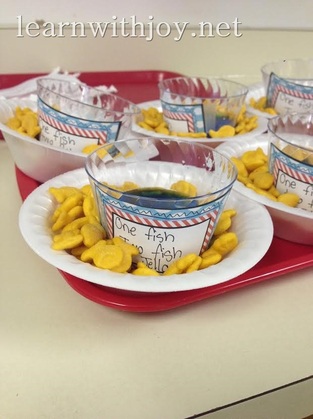
Yesterday, in small group, we read One Fish, Two Fish. Then we did some fish-y math activities.
We did some addition problems with goldfish crackers.
Picture
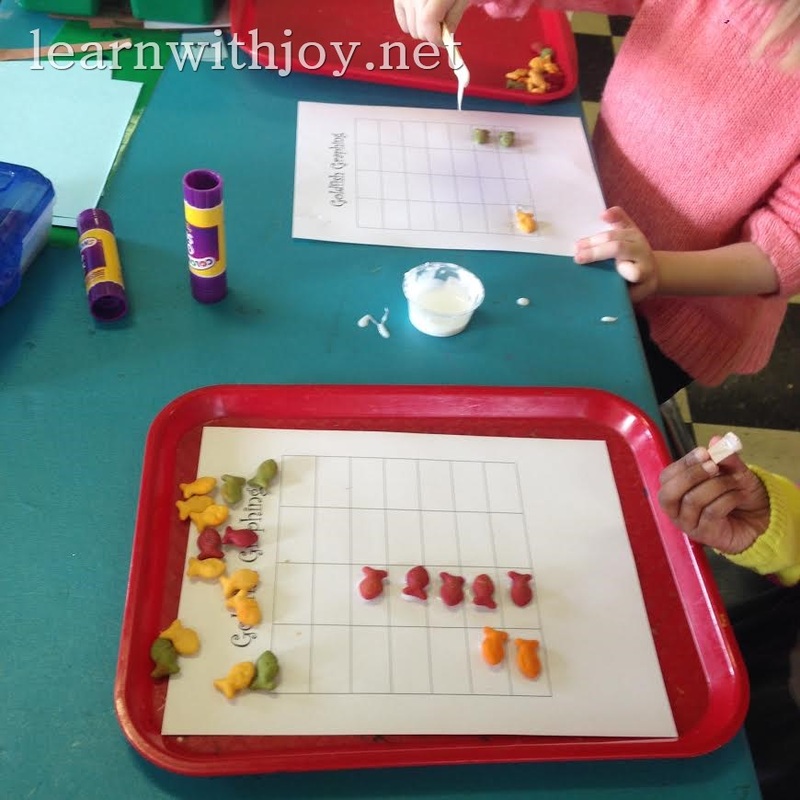
And we graphed. We LOVE graphs in preschool! Here's why: Graphs are compound activities. We can use this one activity to cover many mathematical standards. When we graph we are classifying, counting and comparing. Since preschool attention spans can be short, this is a great way  to cover a lot of ground!
Picture
We had "One Fish, Two Fish jello" for snack.
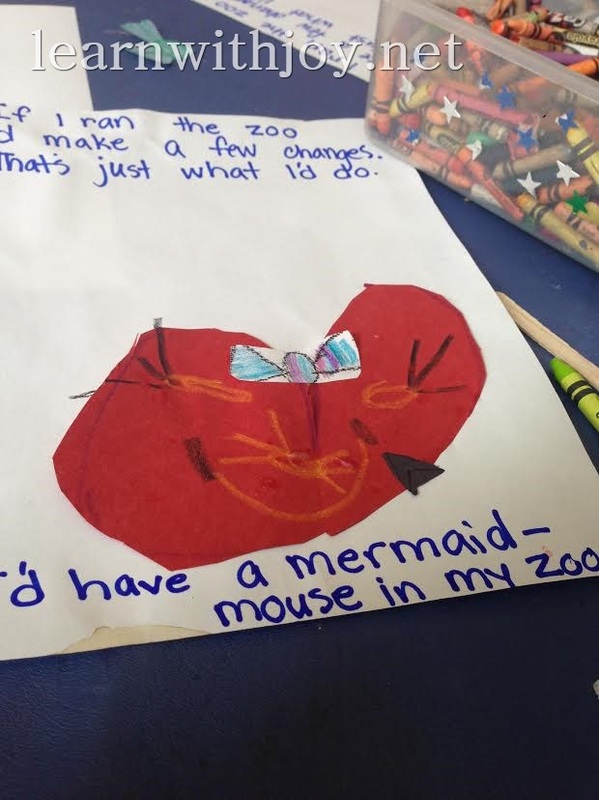
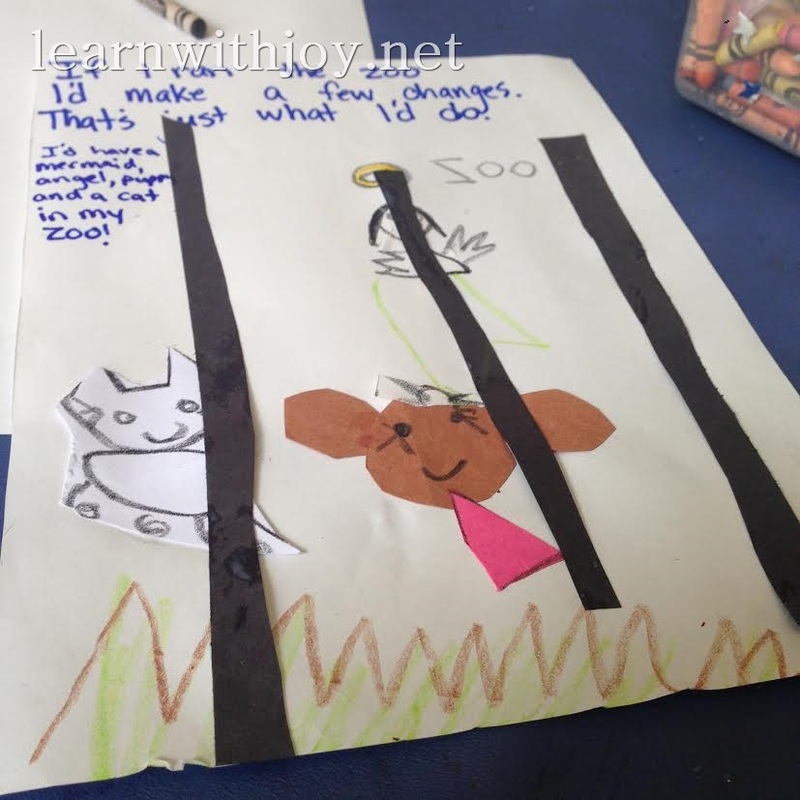
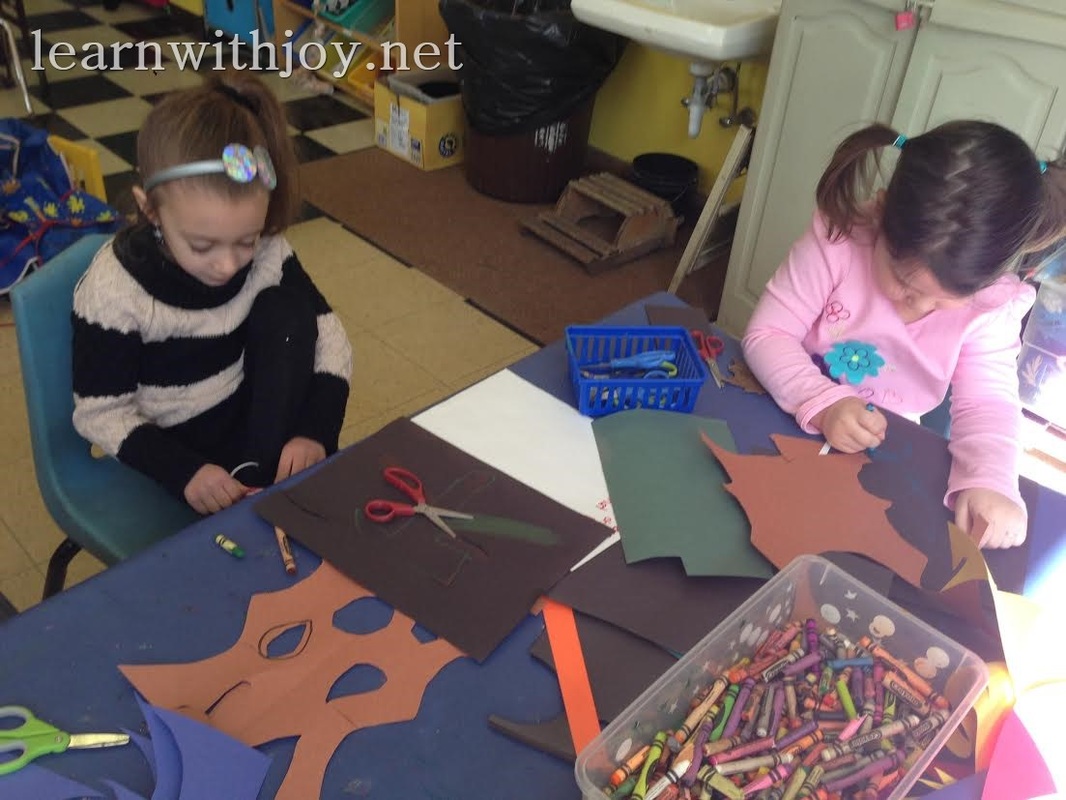
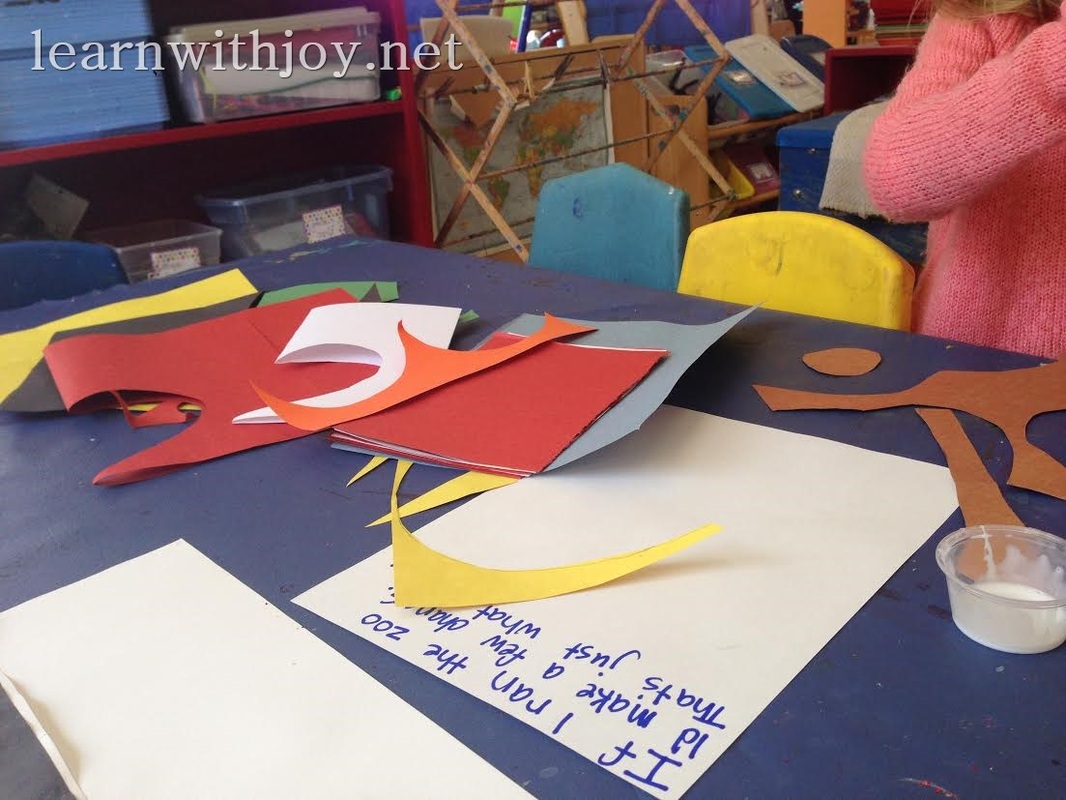
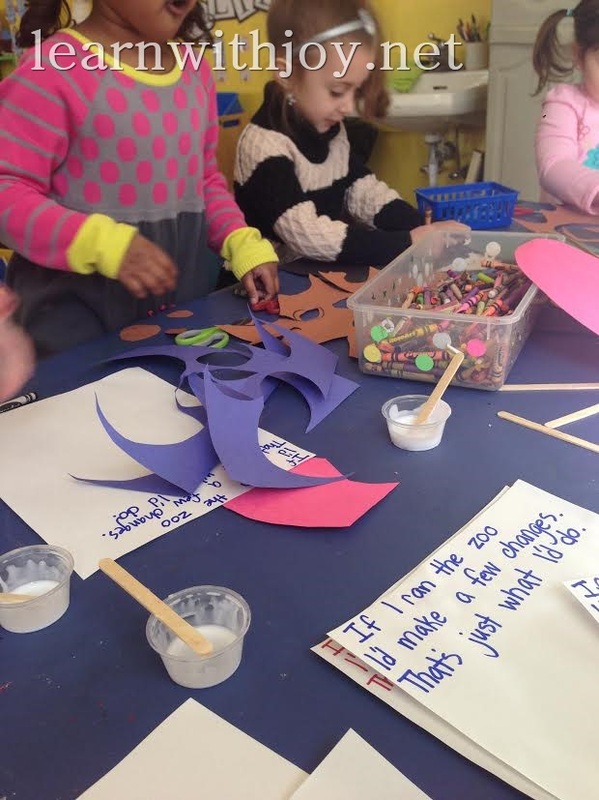
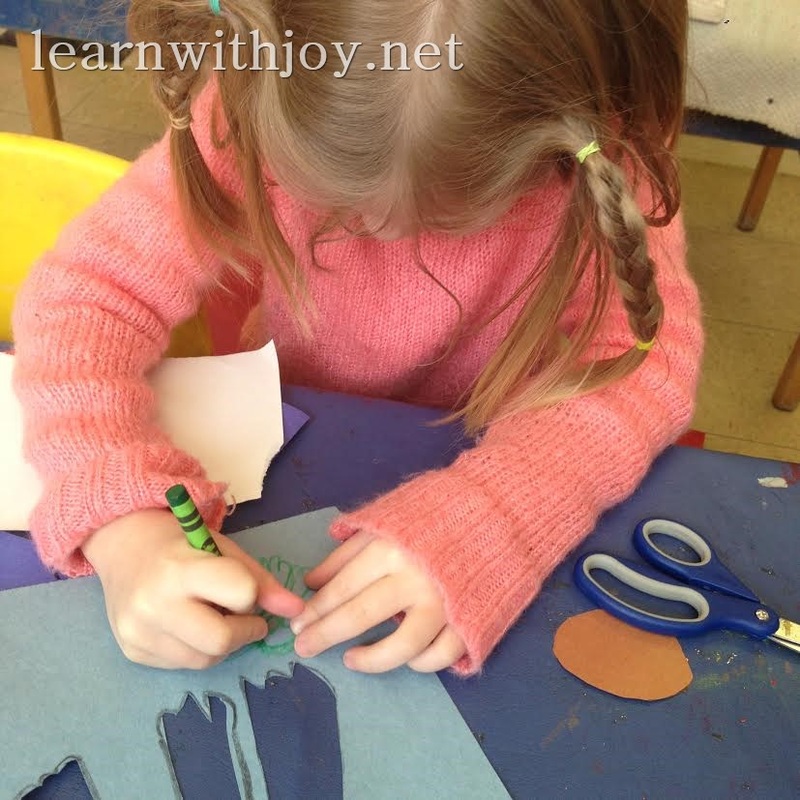
We also read If I ran the Zoo by Dr Seuss; during art the children were given materials to create a picture of their zoo.
It was pretty messy.
Picture
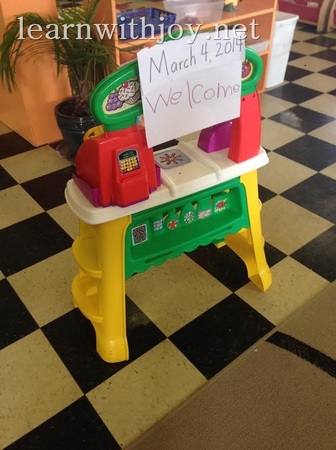
Later in the afternoon the children made a "Zoo Fair".

During dramatic play children are building their imagination and social skills. They are learning to work together by sharing limited resources and space. They develop language skills by explaining what they are doing.
They were encouraged to build cages and choose what kind of animals would be in their zoo.
They made signs for the cages. 
Picture
Yet another successful day in Pre-K.
1 Comment

Strategy Game: Smashing Bugs!

3/2/2014

0 Comments

 
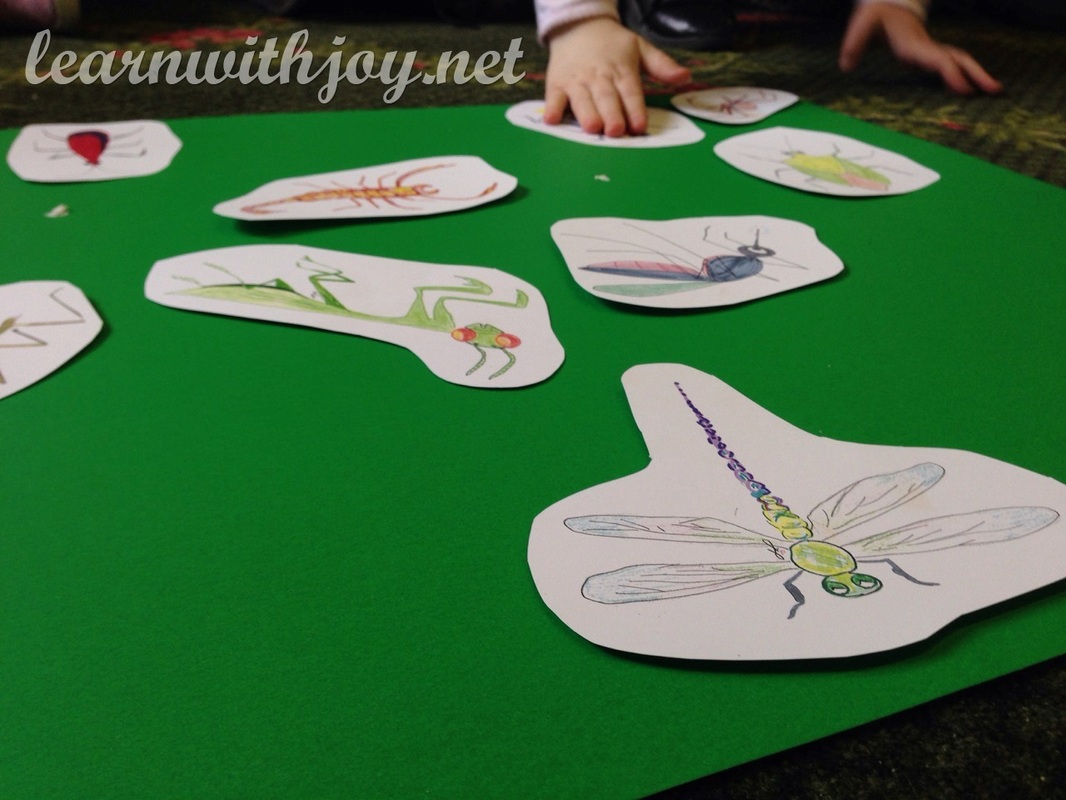
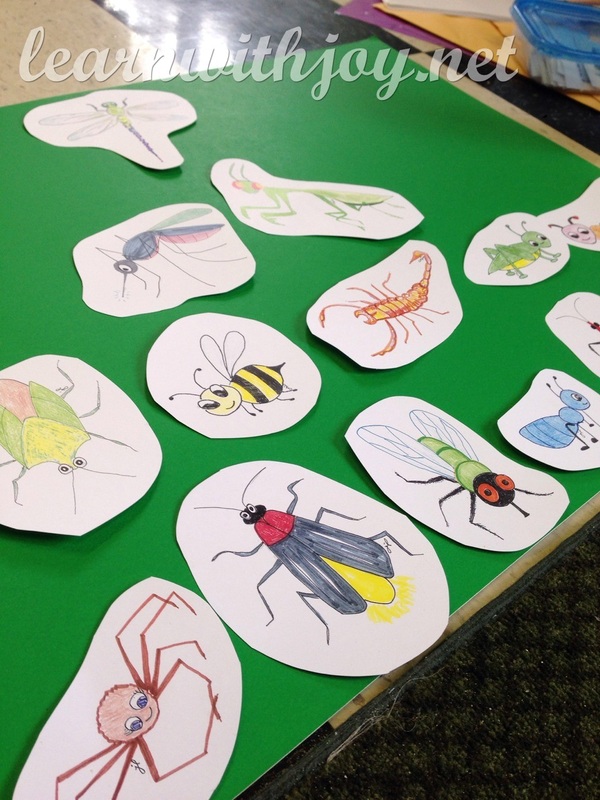
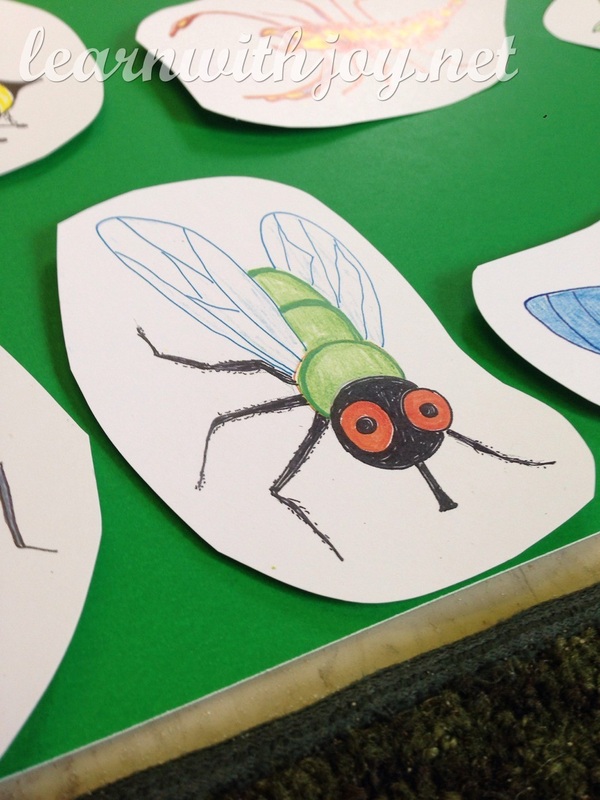
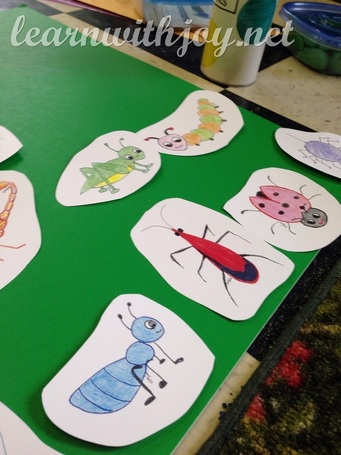
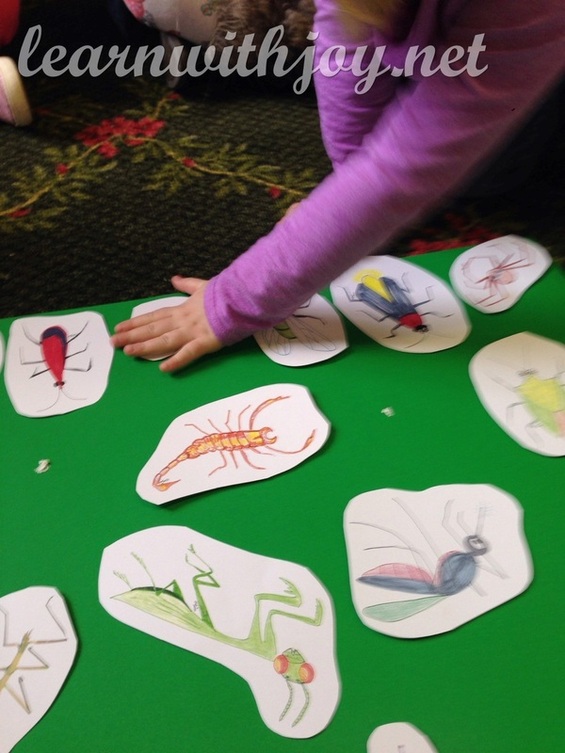
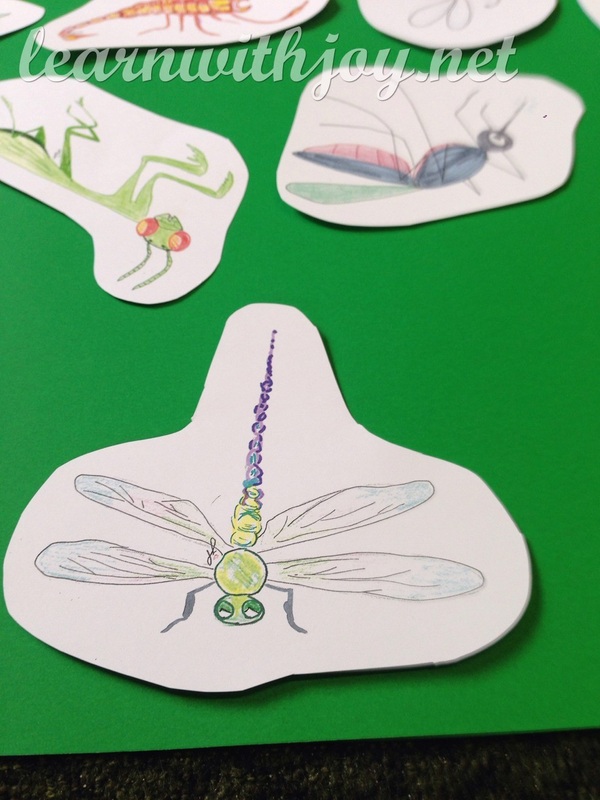
Lynn created these bugs for this preschool game.
Picture
This is a strategy game. The goal is to smash the last bug in the game. There is one row each of seven, five, three and one bugs. When it is his turn, a child may choose to smash one, two or three bugs, but they MUST be in the SAME row. The child who smashes the last bug wins. 
In order to encourage the children to slow down and think, they are required to call out how many bugs they will smash before they begin smashing. Some children will call out “three!” when there are only one or two bugs left in each row. When this happens, I advise them to look at the board and add, “Are there three bugs left in any of the rows?” 

Picture
This game is meant for two players, and that is how we will play it now that the children can remember the rules. 
Picture
Some children will begin to naturally form strategies on their own. Others can be encouraged to think ahead with questioning. What will happen if you smash two bugs? What do you think Michael (the opponent) will do next if you smash THREE bugs?
Picture
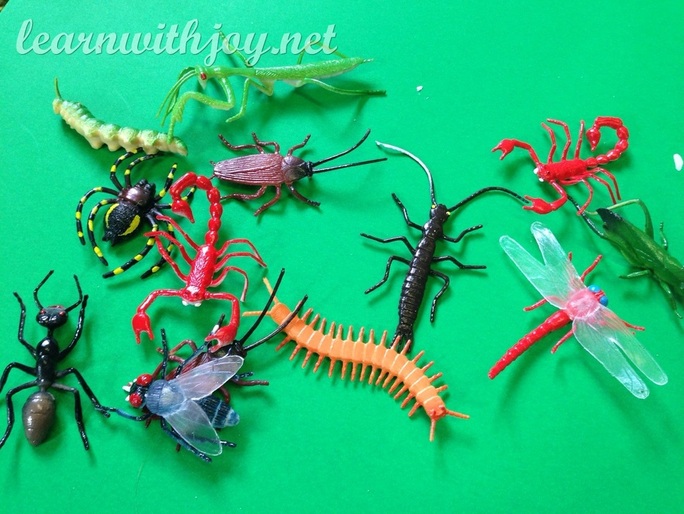
 After we finished playing the game, each child was rewarded with a creepy-crawly.
I can not overstate how important it is to expose these children to as many areas of mathematical thought and problem solving as possible. Some children will just enjoy playing the game, and that’s fine, too. They will develop strategies in their own time.
0 Comments

Problem Solving and Expectations.

2/28/2014

0 Comments

 
In 1989 NCTM (National Council of Teachers of Mathematics) developed a set of standards for mathematics as a framework to guide each state in developing mathematical standards. 

We  use these standards as part of the framework in creating our preschool math curriculum because these standards are established, research-based and designed by professionals “dedicated to improving the teaching and learning of mathematics” and “to ensure the highest quality mathematics education to all students”.

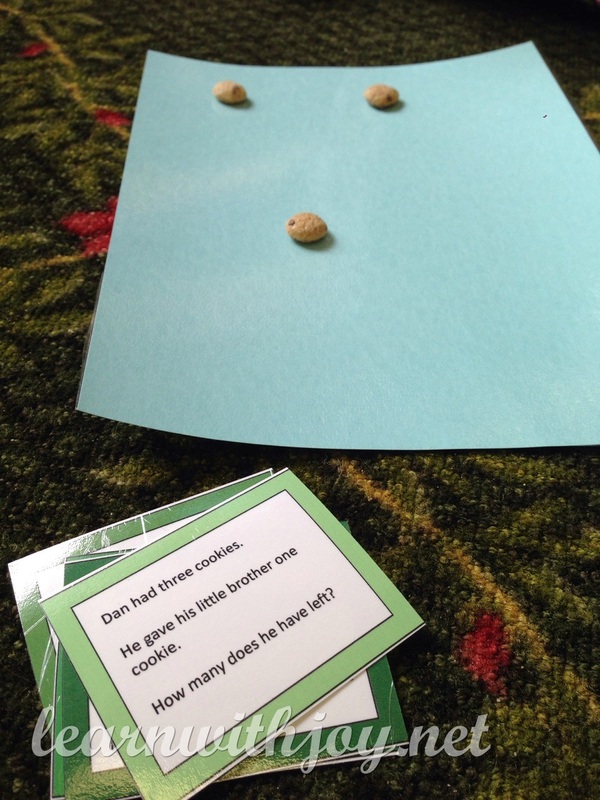
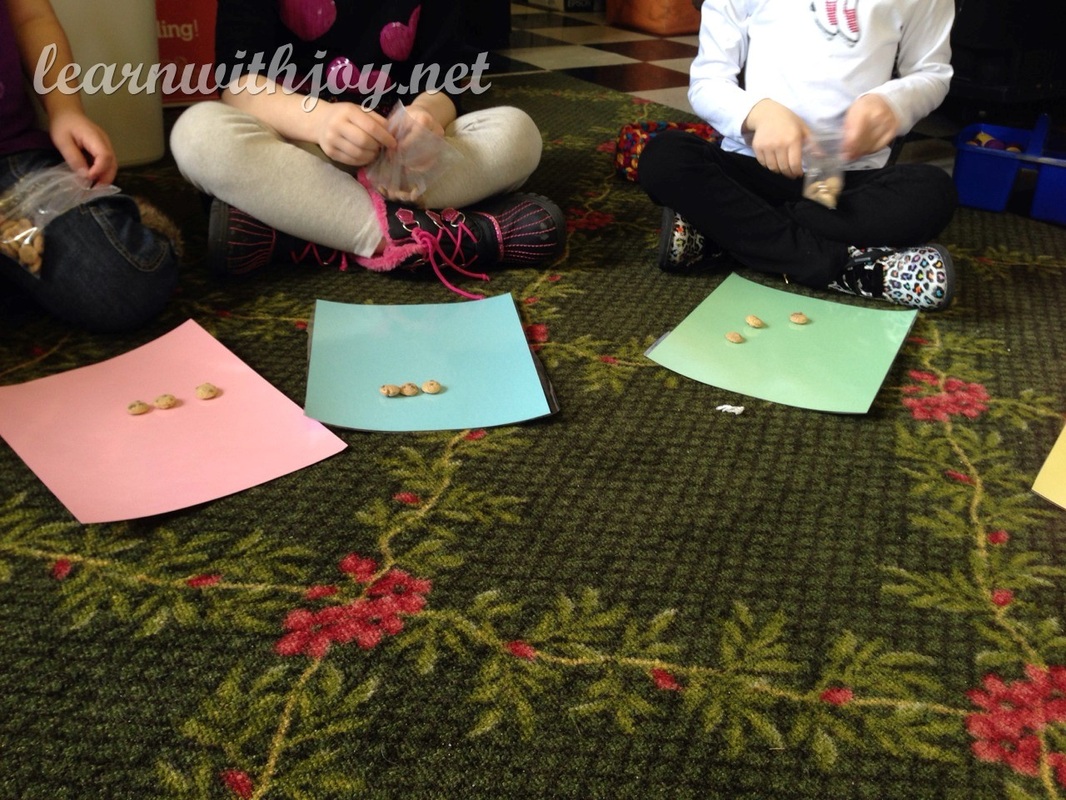
We had a very successful day solving word problems. The chocolate chip cookie cereal we used might have something to do with that! Today we were solving with manipulatives (the cereal), but soon we will begin to increase the children’s repertoire of problem solving techniques. I can't wait!
Picture
Notice that each child has her own visible workspace. This is an often overlooked necessity when working with young children.  Studies have shown that high expectations produce higher accomplishment in the classroom, but we can not have high expectations without providing the materials the children need to meet our expectations. 


Example: If I had given everyone the chocolate chip cookie cereal without the "workspace", one child would have the cereal under her legs, one would have his behind him, one would have hers beside her,  one would have his cereal in front of three other students, and two might have their cereal in front of them.  By the time we got organized and found everyone's cereal, I would have lost their attention and there would be very little math problem solving. 


By using a visible workspace we have freed up our time and our minds for higher level thinking. 
0 Comments

Pennies and Nickels, Oh My!

2/21/2014

0 Comments

 
More ways to practice counting! 

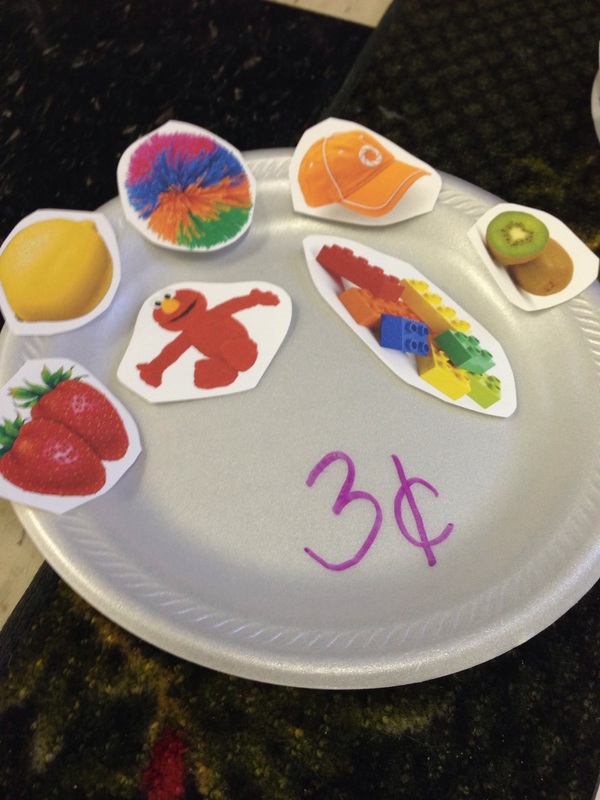
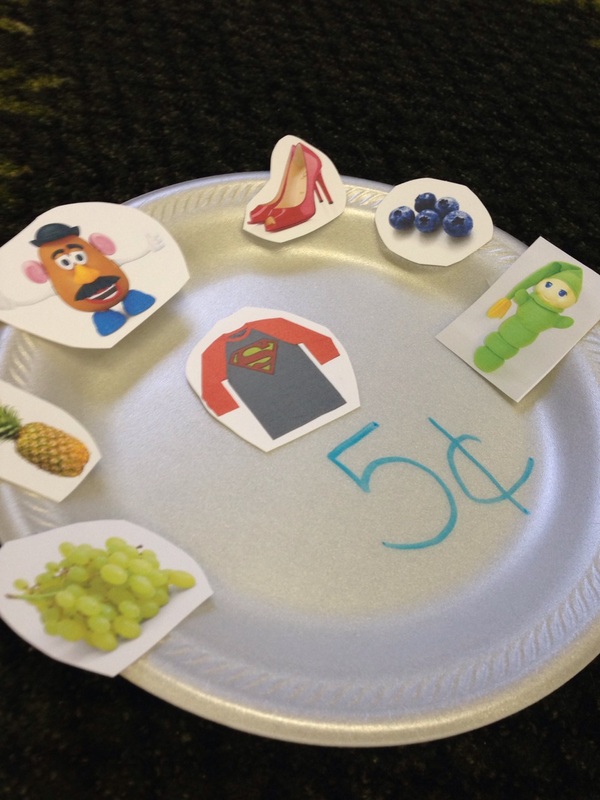
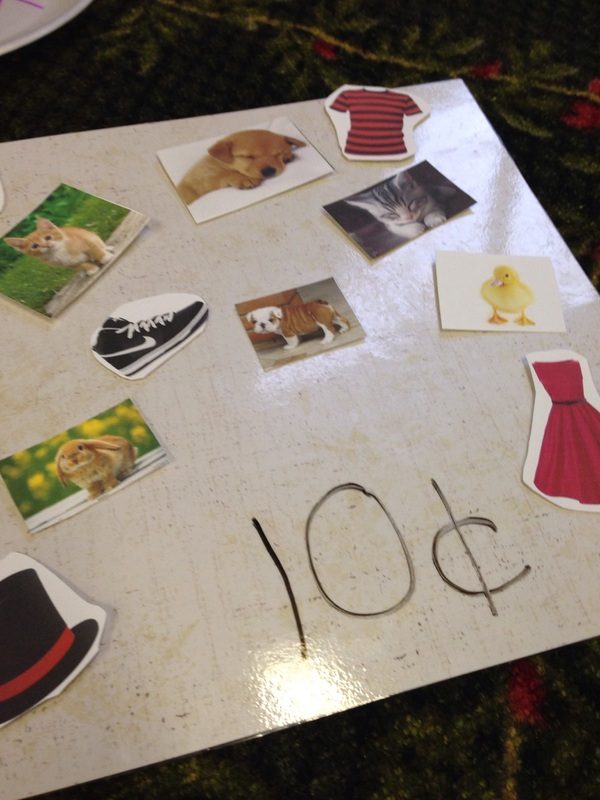
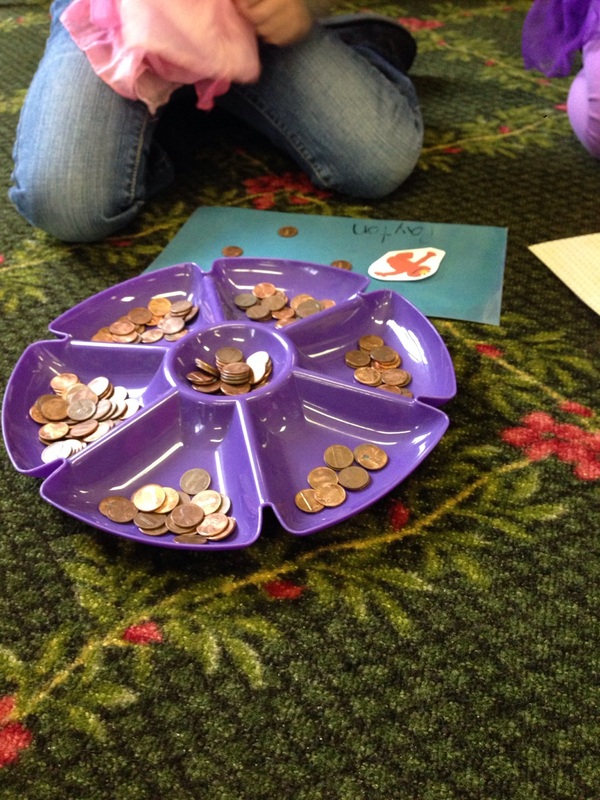
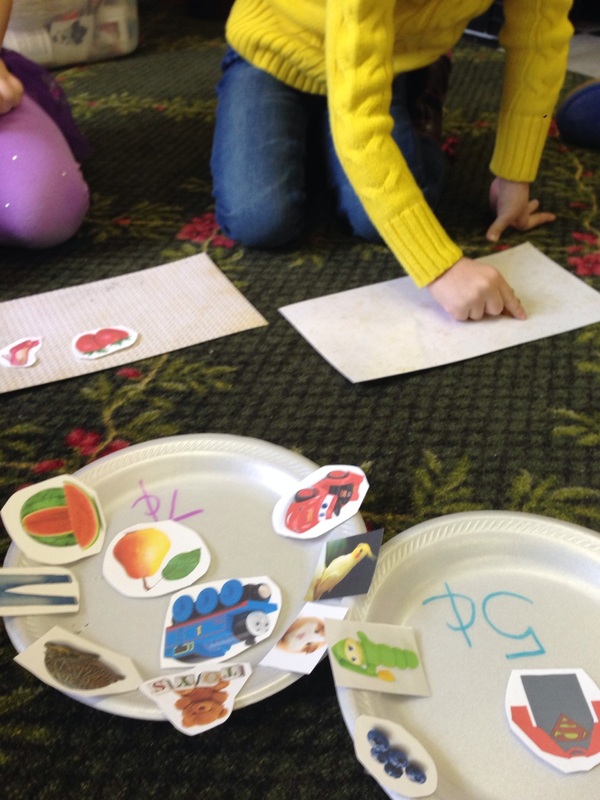
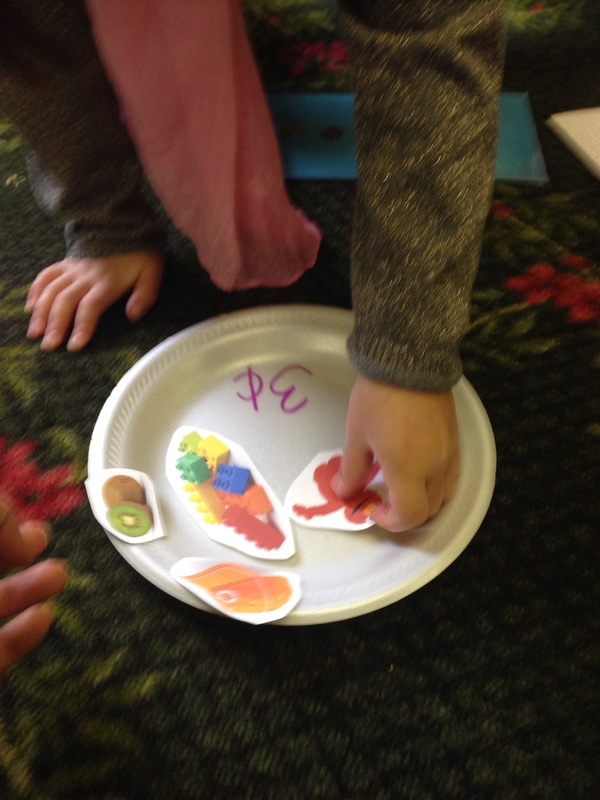
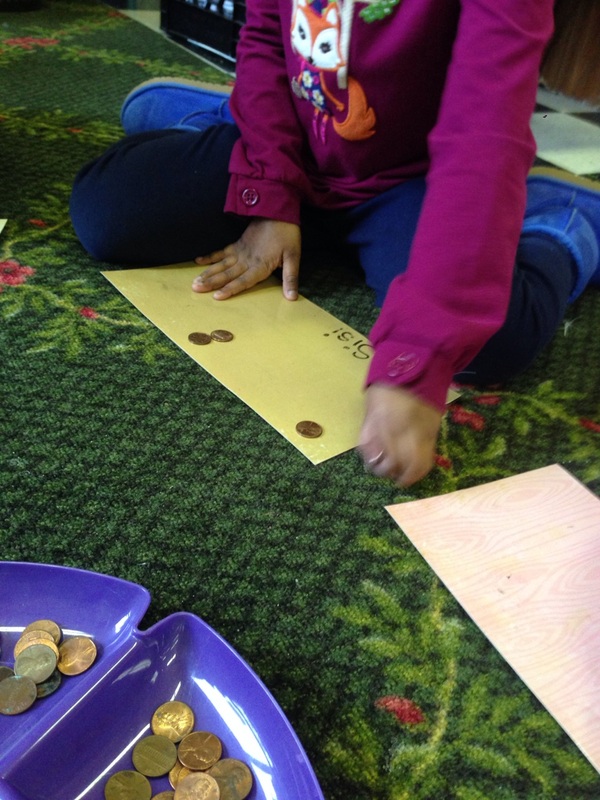
Sometimes in Small Group, we open a “store”. These children are rolling a die to earn money. At the end of the round, they can exchange  pennies for a nickel, and go ‘shopping’.
This is one way that we practice counting and one-to-one correspondence. It also helps us learn (and remember) that a nickel is worth five pennies.

0 Comments

Figure-Ground Discrimination

2/21/2014

1 Comment

 
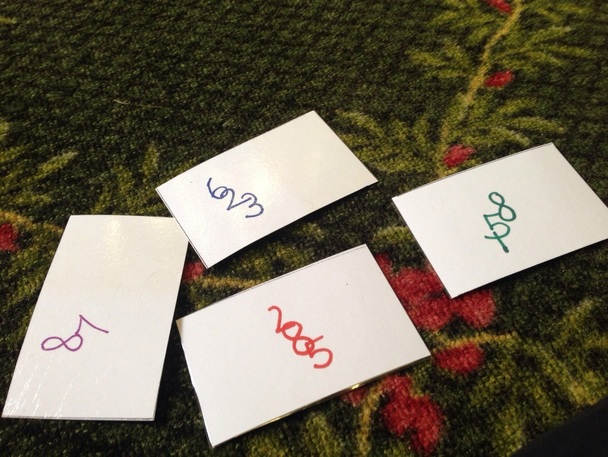
Figure-Ground discrimination is a component of visual discrimination.  It is the ability to distinguish a shape, letter, or a number from its background.

Picture
Children who have difficulties with Figure-Ground discrimination may have trouble finding their place on a page, reading graphs/charts, and finding details in a picture.
Picture
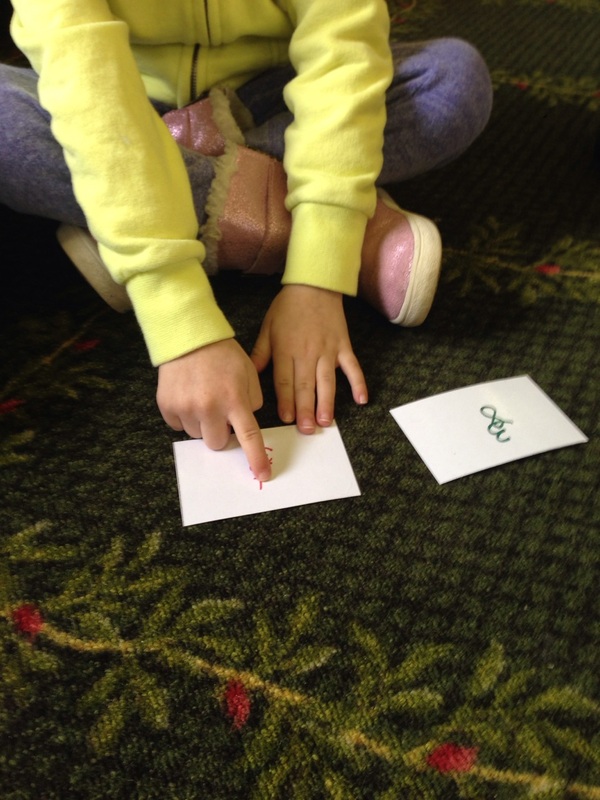
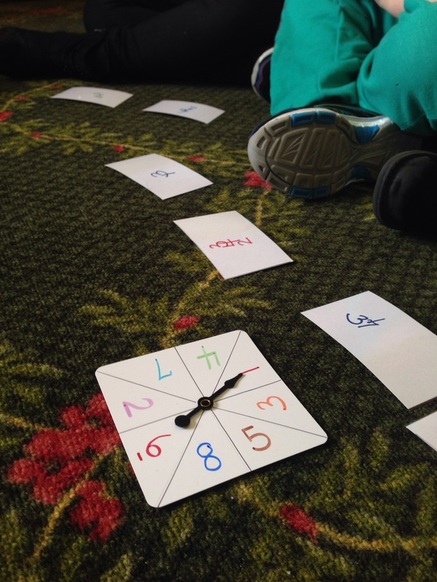
In this game, each child receives two cards with overlapping numbers on them. We take turns spinning the spinner, and every child with that number on his card traces it with his finger.

Yes - we managed to sneak “numeral recognition” into this game, too!


1 Comment

Matrix Math!

2/20/2014

0 Comments

 
Math is much more than counting! Good math instruction should lead your students to higher level thinking and problem solving.
Picture
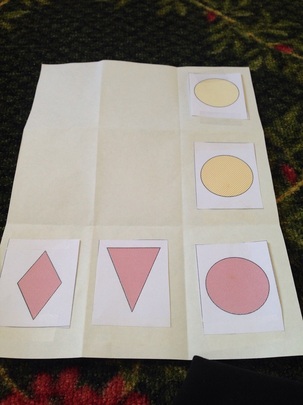
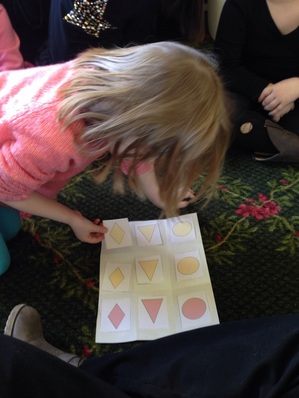
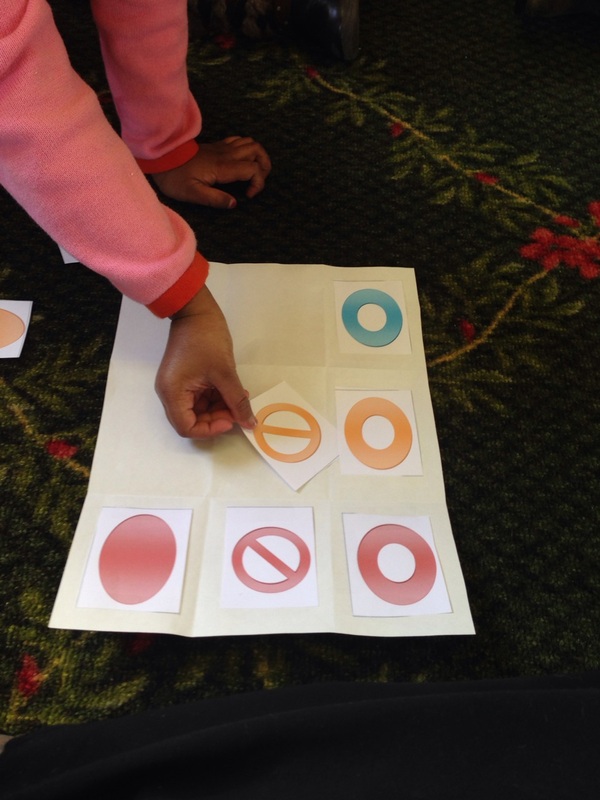
These children are working on matrices (plural of “matrix”).
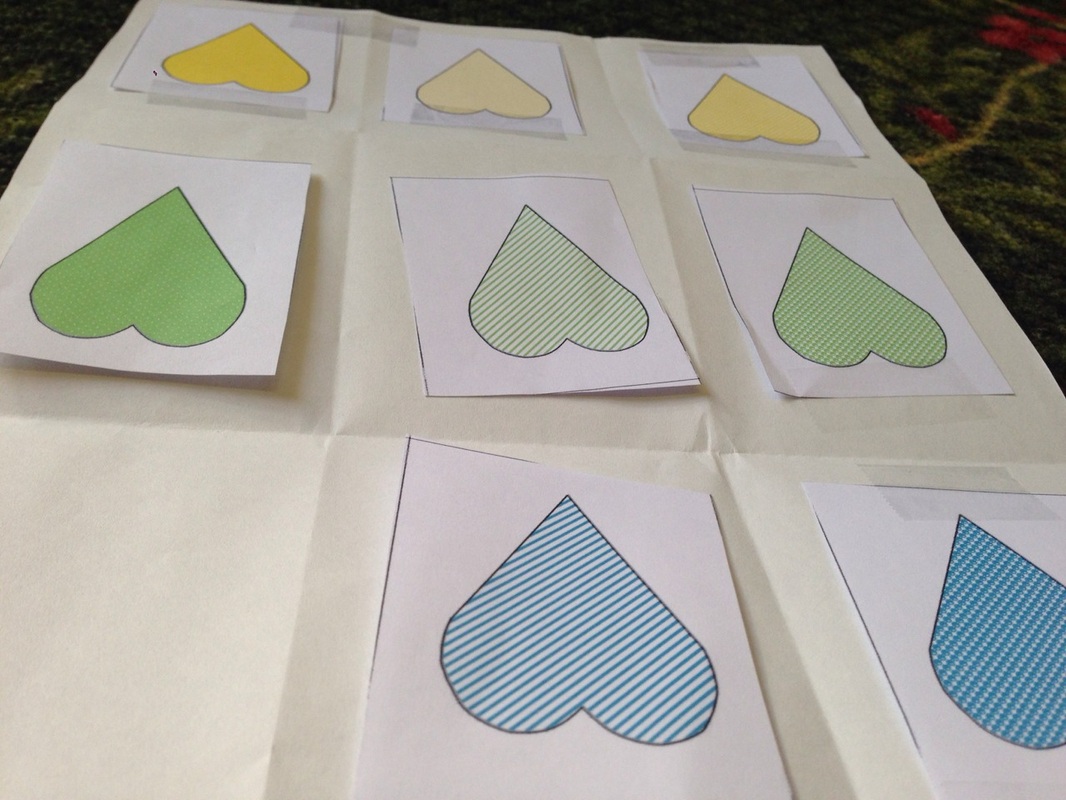
In a matrix, each row shares an attribute, all the same shape OR all the same color, and each column shares a different attribute.

Picture
A matrix is just a very high level of sorting/classifying. It’s kind of like an EXTREME Venn diagram.
These children are figuring out precisely which color/shape goes in a given square.


This was our first time working on matrices, so I helped them think it through by asking questions (What color needs to go here? And what shape? Can you find a card with that shape and color on it?) but these children are doing all their own work.

Impressive, I know!

0 Comments

Geometry Throughout the Classroom

2/16/2014

0 Comments

 
How do you fit the Geometry Standard into your preschool classroom?

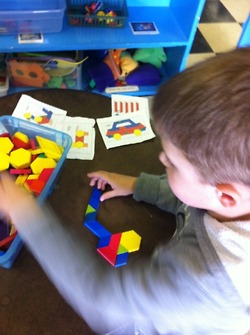
Patterning Blocks! Let kids manipulate different shapes. Ask questions about the different shapes. How many sides does the hexagon have? Are they all the same length?


Picture
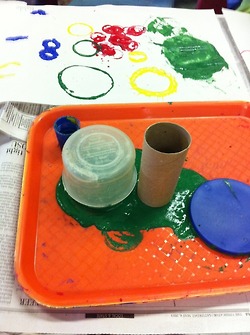
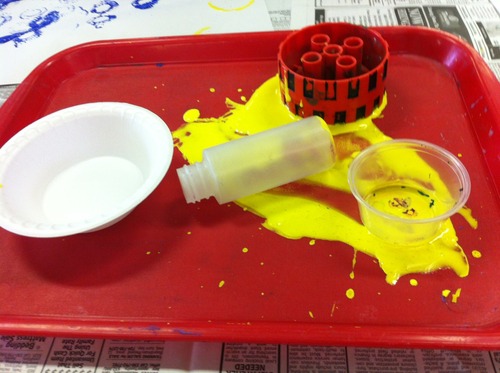
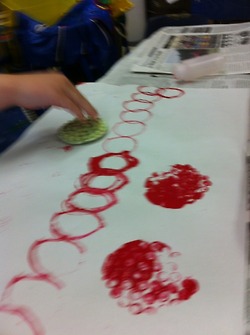
Art! Let kids explore different shapes - this ‘circle art’ is great for young learners who are just learning their shapes.
Picture
Picture
Picture
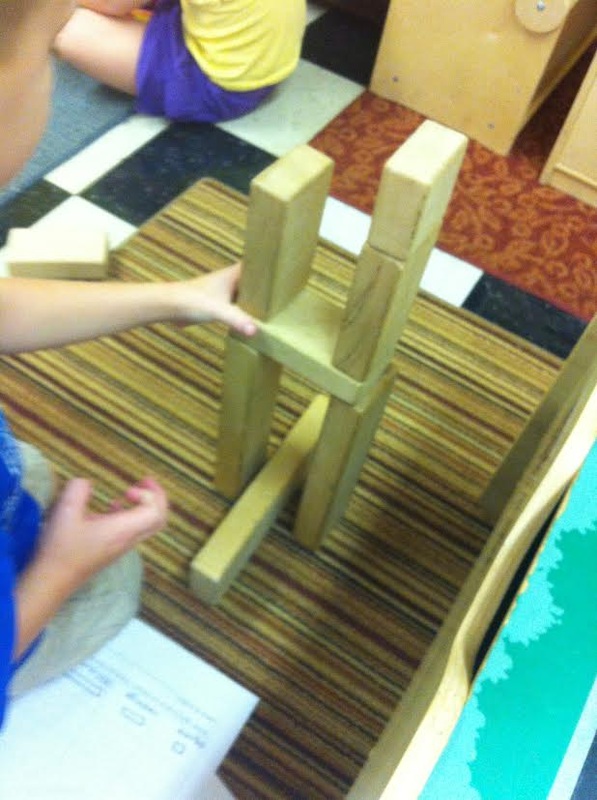
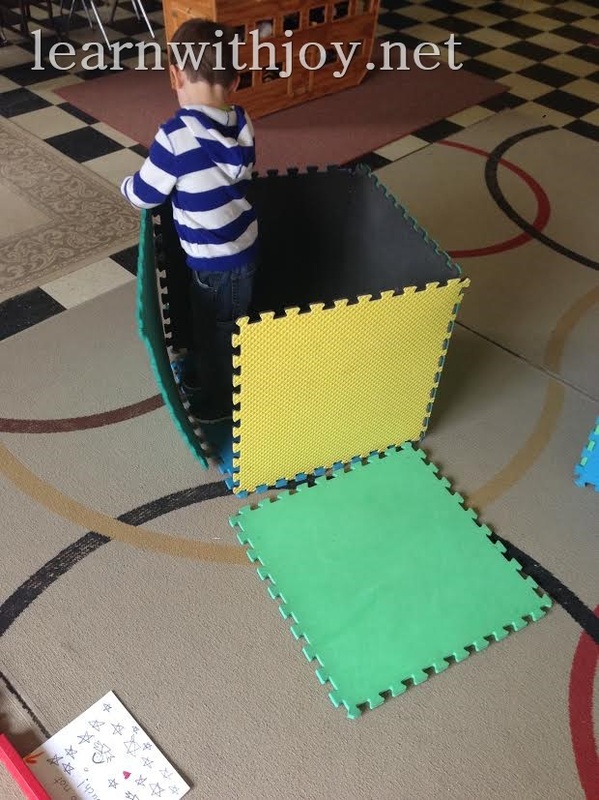
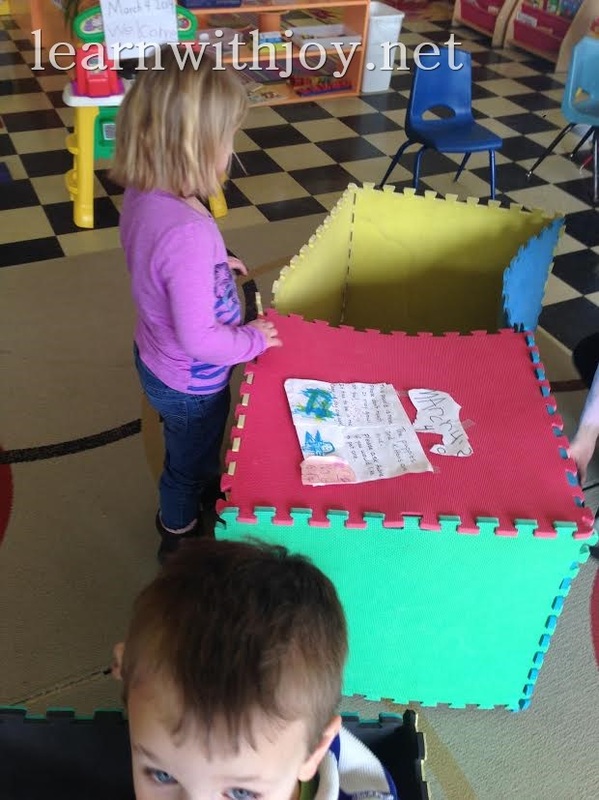
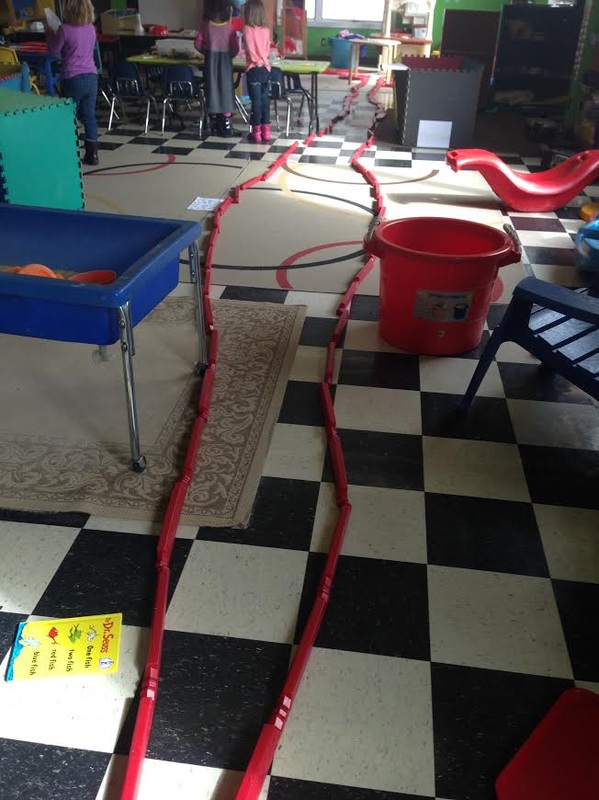
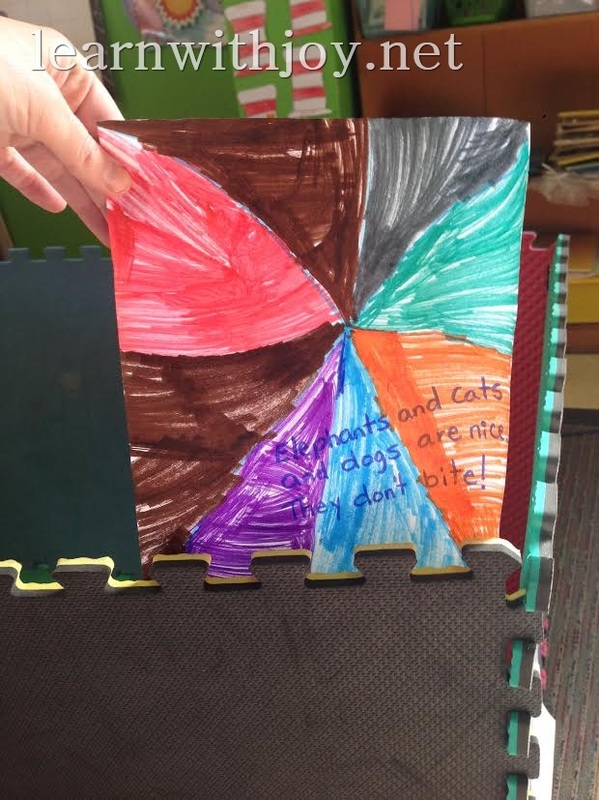
Building! The kids need to be able to experiment with different three-dimensional shapes. This is a great math concept because the kids can actually SEE that it takes more blocks to build the longer side of a shape.
Picture
Picture
0 Comments
<<Previous
Forward>>
    LearnWithJoy
    Picture

    Author

    Wendy Joy Yohman
    Eleven years teaching experience
     at a small private  school. 
    Current preschool supervisor.
     Bachelor's Degree in 
    Psychology with an emphasis
     on educational kinesiology 
    (how different movements 
    activate certain areas of the 
    brain). 

    tpt store

    Archives

    December 2017
    October 2016
    February 2016
    July 2015
    June 2015
    May 2015
    March 2015
    September 2014
    August 2014
    July 2014
    June 2014
    May 2014
    April 2014
    March 2014
    February 2014

    Categories

    All
    Academic Standards
    Art
    Attribute Blocks
    Auditory Discrimination
    Auditory Memory
    Chapel
    Classifying/Sorting
    Counting
    Counting Bears
    Creativity
    Dr Seuss
    Fine Motor
    Freebie
    Geometry
    Letters
    Math
    Measurement
    Money
    Music
    Patterning
    Patterning Blocks
    Phonics
    Pre Reading
    Problem Solving
    Reading
    Rhyme
    Skip Counting
    Story
    Strategy
    TPT
    Unifix Cubes
    Visual Discrimination

    RSS Feed

    Sites I recommend:

    The Homeschool Mom
    Visit LearnWithJoy's profile on Pinterest.

    Affiliate Disclosure:


    Some of the links on this website are affiliate links, which means that I may earn a commission if you click on the link or make a purchase using the link. When you make a purchase, the price you pay will be the same whether you use the affiliate link or go directly to the vendor’s website using a non-affiliate link. By using the affiliate links, you are helping support the LearnWithJoy website, and I genuinely appreciate your support.

Proudly powered by Weebly